
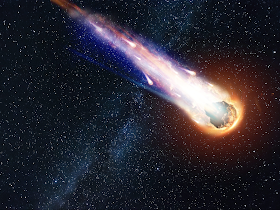
 | Scientists in South Africa have discovered new evidence that the Earth was struck by a meteorite or asteroid 12,800 years ago, causing global climate change and mass extinction. Soil samples from an archaeological site called Wonderkrater outside a small town north of Pretoria found a spike in platinum levels, which they say supports the Younger Dryas Impact hypothesis. The theory assumes that a disintegrating asteroid, which is high in platinum, impacted Earth, causing an ice age. Many large species were wiped out as a result off the Earth’s rapid cooling. The impact from the asteroid or comet sent dust into the air, which might have reduced the amount of sunlight reaching Earth. |
Pollen from various plants also reveal a much cooler period, which is called the Younger Dryas. Scientists believe human populations may have also have been negatively affected.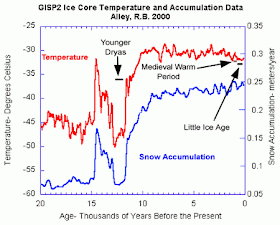 | 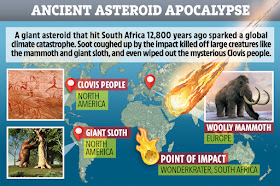 |
| The late Quaternary archaeological site Wonderkrater, located in the Limpopo Province in South Africa, consists of a large spring and peat mound with deposits dated to more than 30,000 years ago. With the rich information this Middle Stone Age site has yielded, it was an ideal place to look for evidence of the “platinum spike” associated with the Younger Dryas, which had not previously been found on the African continent. A team of researchers found such evidence in the form of temperature changes based on pollen analysis. |
No comments:
Post a Comment