In 2020 students volunteering at an archaeological dig in central Israel landed 425 gold coins that had lain buried in a clay jar for 1,100 years. The coins date to the early Islamic period, when the region was part of the Abbasid caliphate.
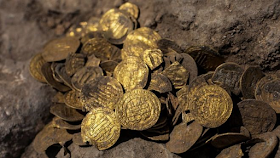 | The coins weigh 845g and would have been a huge sum when they were buried - enough to buy a luxurious home. The cache consisted of full gold dinars and 270 small gold cuttings - pieces of dinars cut to serve as 'change'. Some of the cuttings were from a gold solidus of the Byzantine Emperor Theophilos minted in Constantinople. This provides evidence of the continuous trade connections between the two rival empires during the period. | |
 | The Abbasid Caliphate was the third of the Islamic caliphates to succeed the Islamic prophet Muhammad. The Abbasid dynasty descended from Muhammad’s youngest uncle, Al-Abbas ibn Abd al-Muttalib (566–653 CE), from whom the dynasty takes its name.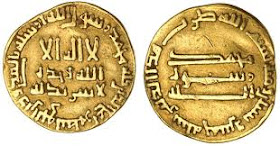 | |

No comments:
Post a Comment