
 |  Inhabited for over 7,000 years, Malta has been settled by Phoenicians, Greeks, Romans, Byzantines, the Muslim Emirate of Sicily, and Crusaders under the Holy Roman Empire. |
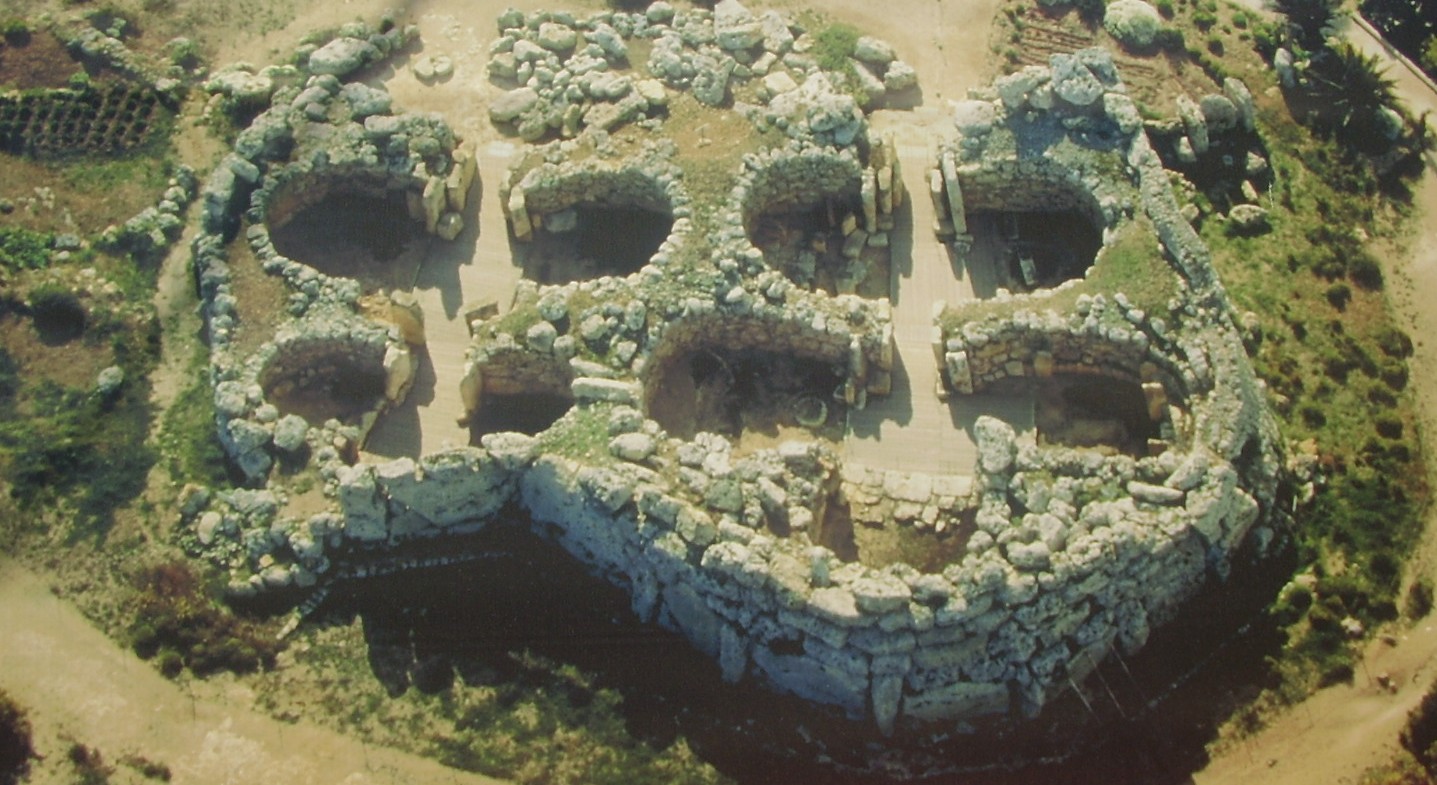
 | The island people constructed elaborate sites, such as the Ġgantija temple complex, and their buildings are among the earliest free-standing buildings known. There is no skeletal evidence of violent death and no fortifications. Instead the society appears to have survived through cooperation and sharing. But, after 1,500 years, they were gone. | 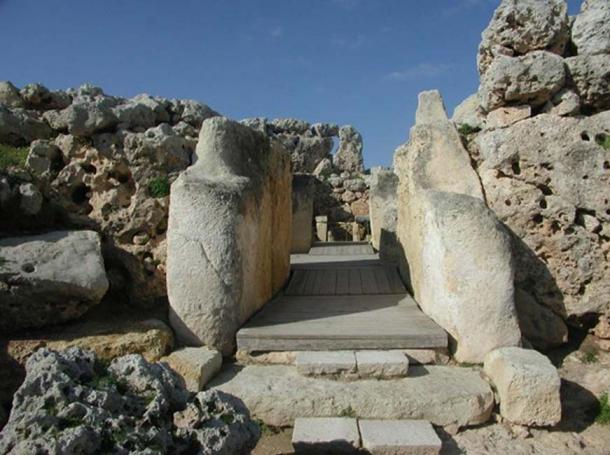 |
 | In the final centuries, between 2600 BC and 2400 BC, half of those dying were children. |  A catastrophic climate event around 2350 BC was the final blow. |

No comments:
Post a Comment