![]() | ![]() | ![]() |
Tuesday, August 30, 2022
Saturday, August 20, 2022
Divining the will of the Gods
![]() Clay model of a sheep’s liver used for instruction in liver divination in a Babylonian Temple School, c. 2000 B.C. | The ancient world offered many ways of telling the future and divining the will of the gods. In second-millennium B.C. Mesopotamia, oracle-priests would ritually sacrifice an animal and read it's entrails (extispicy). The priests chose to inspect a sacrificed animal’s liver, which was deemed the location of the soul. Divining by inspecting the liver was called hepatomancy. | |
![]() | In Ancient Rome, a haruspex was a person trained to practice this form of divination. On behalf of the person who brought the animal to the temple, the priests asked the gods a question; the gods inscribed the answer in the entrails. Over the centuries, liver models became popular across the ancient Near East, from Assyria to Babylonia, Anatolia to Cyprus.![]() |
Tuesday, August 16, 2022
Lake drained in failed treasure hunt for Roman gold
![]() | A 12,000 year old lake was destroyed after a team of treasure hunters carried out an authorized excavation to unearth ancient gold in Turkey's northern Gümüşhane province in 2019. Located in the Taşköprü Plateau, Lake Dipsiz (Bottomless) was drained after an application to the Gümüşhane Governor's Office to carry out an excavation. | ![]() |
![]() | The governor and the Gümüşhane Culture and Tourism Directorate both authorized the controversial excavation. No gold was found and the excavation was stopped after four days. The treasure hunters were trying to find gold of the 15th Apollinaris Legion (Legio XV Apollinaris), which was one of the four largest military units of the Roman Empire in Asia Minor. It was recruited by Octavian (Augustus) in 41/40 BC. The legion was stationed in the area around 134. Dating back to the last ice age, Lake Dipsiz does not have a source of water. | ![]() |
Wednesday, August 10, 2022
Sumerian antiquities returned to Iraq
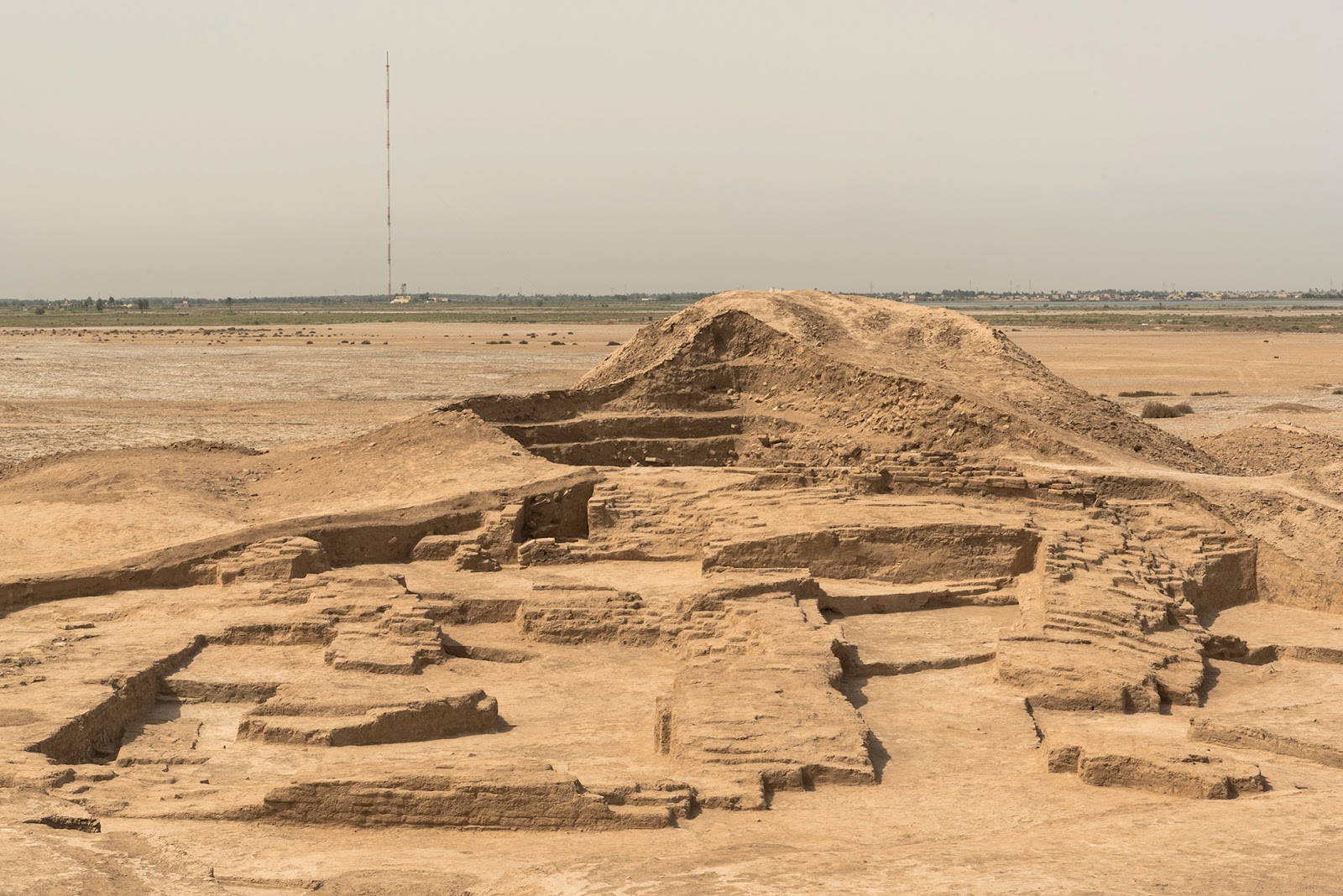
![]() | In 2018, after years in police storage, 8 objects were taken to the British Museum for analysis. They were quickly identified as being from the site of ancient Girsu (modern Tello) in Southern Iraq, one of the earliest known cities of the world. The British Museum has been conducting archaeological excavations there since 2016. Inscriptions linked the cones with the Eninnu temple complex at Girsu. | ![]() |
![]() | It's believed the objects were removed in 2003, around the time of the fall of Saddam Hussein. ![]() | ![]() |
Subscribe to:
Posts (Atom)