Sunday, September 19, 2021

King Ptolemy I, C. Cassius Longinus lead ancients


Ptolemy I Soter. 305/4-282 BC. AV Stater. Euhesperides mint. Struck early 290s BC. $52,000.
Ptolemy was pharaoh of Ptolemaic Egypt from 305/304 BC to his death. He was the founder of the Ptolemaic dynasty, which ruled Egypt until the death of Cleopatra in 30 BC. Ptolemy himself wrote an eyewitness history of Alexander's campaigns (now lost). In the second century AD, Ptolemy's history was used by Arrian of Nicomedia for his writings on Alexander, and hence large parts of Ptolemy's history is thought to have survived.

C. Cassius Longinus. Spring 42 BC. AV Aureus. Military mint; M. Aquinus, legate. Diademed head of Libertas right; $50,400.
C. Cassius Longinus was one of the principal conspirators against Julius Caesar. Following the assassination, he moved to the east, where he amassed an army. His prior reputation of military success proved invaluable, and by 43 BC his army boasted nearly twelve legions.
See ---->Gaius Cassius Longinus

Friday, September 17, 2021

Aztec Gold: The History And Science Of Popcorn

Popcorn is a truly ancient snack. Archaeologists have uncovered popcorn kernels that are 4,000 years old. They were so well-preserved, they could still pop. Corn, and specifically popcorn, helped lay the foundations for the Aztec empire. A highly productive crop like corn makes the rise of higher civilizations possible.
The oldest popcorn ever found was discovered in the "Bat Cave" of central New Mexico. It is thought to be about 5,600 years old. Sometimes, conditions can preserve ancient popcorn so perfectly that it still looks fluffy and white when the dust is blown off of it. In a cave in southern Utah, researchers found surprisingly fresh-looking 1,000-year-old popcorn.
Europeans learned about popcorn from Native Americans. When Cortes invaded Mexico, and when Columbus arrived in the West Indies, each saw natives eating popcorn. Native Americans brought a bag of popped corn to the first Thanksgiving.

A common way to eat popcorn at that time was to hold an oiled ear on a stick over the fire, then chew the popped kernels off it.
Natives in the Americas also made a popcorn beer. Some made popcorn soup.
After the Spanish invaded, popcorn spread around the world, and people began learnef how popcorn works. The rock-hard kernel — the thing that makes popcorn impossible to eat raw — is the key. It acts as a pressure cooker with the durable kernel keeping water and starch sealed inside. When a kernel is heated, the starch liquefies and the pressure builds until the seed coat breaks. A popcorn kernel is a seed. Like other seeds, inside it has a tiny plant embryo. The embryo is surrounded by soft, starchy material that would give the embryo energy for growing into a plant. The ideal popcorn kernel contains about 14 percent moisture. If the popcorn is too much drier, it will not pop.


Thursday, September 16, 2021

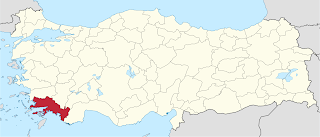
Untouched ancient burial chamber in Turkey’s Muğla

A burial chamber dating to 2,400 years ago was unearthed in 2016 at a construction site in the province of Muğla’s Milas district. Officials found 103 artifacts in the burial chamber, untouched for millennia.
Findings included earthenware candles, offering bowls, gifts for the dead, and cosmetic tools.
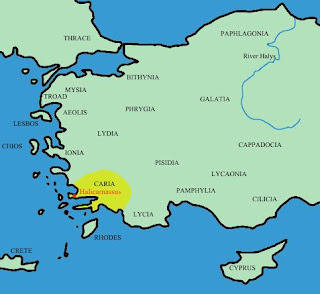
The burial chamber was unearthed close to the holy road between the city of Mylasa, which was the capital of the Karia region in the ancient era, and the Labraunda religious center. A settlement had been existing at the site for 2,600 years. The region of western Anatolia extending along the coast from mid-Ionia (Mycale) south to Lycia and east to Phrygia was colonized by Ionian and Dorian Greeks forming Greek-dominated states.
The inhabitants of Caria, known as Carians, had arrived long before the Greeks.

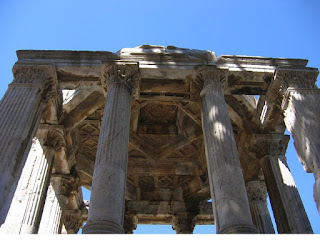
Gümüşkesen chambered tomb monument in Milas.

In the southern Turkish province of Adana’s Yumurtalık district, a rare mosaic depicting the ancient Greek god of the sea, Poseidon. It dates to the 3rd or 4th century B.C.

Tuesday, September 14, 2021

Unearthed Ancient Greek mosaics of Amazon

Penthesilea was an epic warrior, the prodigy of Otrera, the first queen of the Amazons, and Ares, the Greek god of violence and war. Her battle skills were legendary, leading her to side with King Priam in the Trojan war, but she eventually came up against a larger force. Achilles defeated her after an equally matched struggle. According to Homeric tradition he fell in love with her after removing her helmet. Restoration experts are meticulously examining the unique mosaics depicting Amazon women and other artifacts which were unearthed in ongoing excavations at the Gobeklitepe site — known as the “world’s oldest temple.”

Peru’s pre-Inca treasures unmasked at British Museum


Funerary mask, Copper and shell, Moche, AD 100–800.
More than 40 objects came to London from nine museums in Peru and will go on show alongside 80 treasures from the museum’s collection. Among the artifacts going on display in 'Peru: A Journey In Time' are a miniature gold figurine of a llama and a gold headdress, which dates to around 800BC.

Monday, September 13, 2021

Sanxingdui ruins reveal second gold mask

Another gold mask has been discovered at the Sanxingdui Ruins site in Guanghan, Sichuan province. It is the biggest of its kind unearthed at the site so far. The mask, which is relatively intact, is 37.2 centimeters wide, 16.5 cm high and weighs about 100 grams. Relatively intact relics from the pits include 314 bronze objects and 147 elephant tusks.

Friday, September 10, 2021

Shropshire sun pendant goes on display

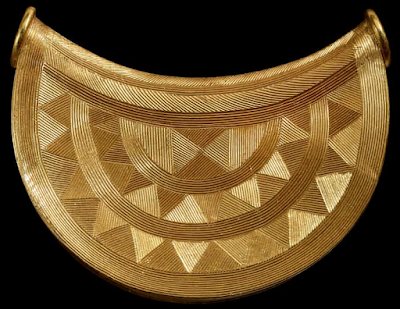
The pendant has been purchased for £250,000.The British Museum has acquired a 3,000-year-old gold sun pendant heralded as one of the most important bronze age finds of the last century. The well-preserved pendant, or bulla, was discovered by a metal detectorist in Shropshire in 2018. It was made by someone who was clearly skilled in their craft sometime around 1,000-800 BC.
The sun pendant will go on public display for the first time at Shrewsbury Museum and Art Gallery as part of the British Museum's national programmes. The elegant form and intricate decoration of the gold pendant includes a rare depiction of the sun. The bulla is only the second ever found in Britain. The other Irton bulla – now lost – was discovered near Manchester in 1722 and is only known from a picture. Its quality was so high that experts of the day believed it must be Roman.

Thursday, September 9, 2021

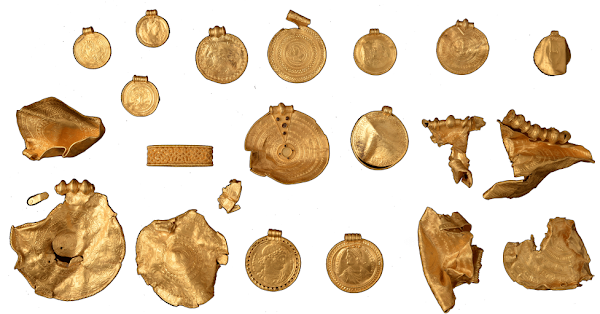
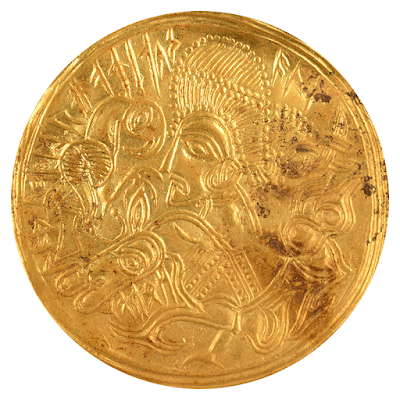
Danish detectorist lands huge gold hoard

Schytz stumbled across 22 pieces of gold treasure, weighing just over two pounds. It had been buried for some 1,500 years.Ole Ginnerup Schytz was using a metal detector for the first time when he found a cache of 6th century gold jewelry in a field near the town of Jelling in Denmark.
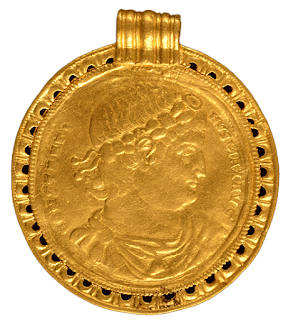
Roman emperor Constantine
Much of the treasure are bracteates, a flat thin medallion with engravings on one side that was common in northern Europe around 375–568. The jewelry is decorated with runes, magical symbols, and religious imagery such as the Norse god Odin, all reflecting delicate craftsmanship of the highest order. Women would have worn the amulets for protection.Odin
Experts believe the gold hoard was buried around the time of a large volcanic eruption in the year 536, which triggered widespread crop failures and famine in Scandinavia. Gold discoveries date to this period, likely because the items were sacrificed to the gods by a people desperate to have the sun shine again.

Bronze Age burial on Cyprus reveals ancient artifacts


The find reaffirms Cyprus's place in history as an intricate player in long-distance trade.
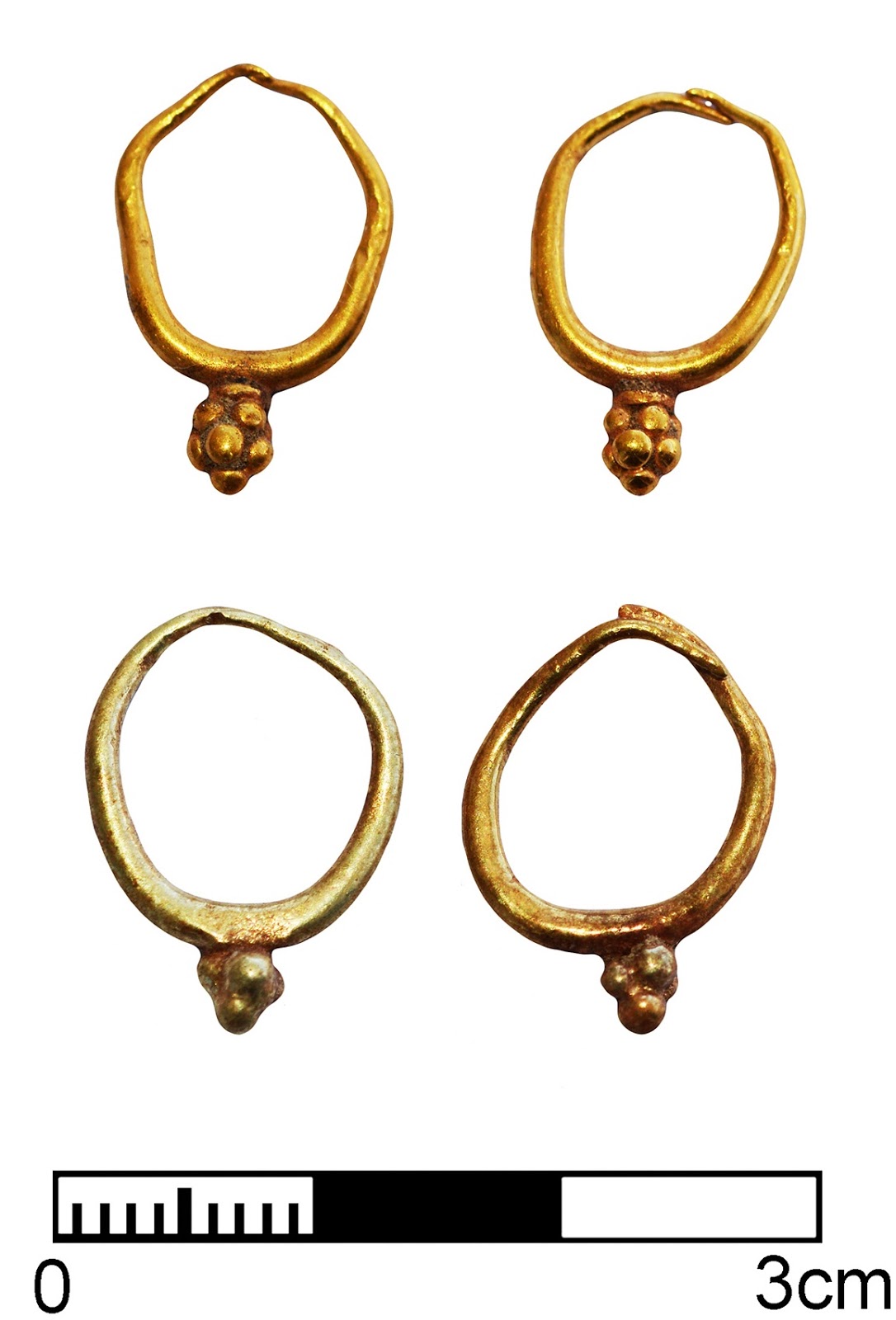
A tomb discovered at the Late Bronze Age site of Dromolaxia-Vizakia, (Hala Sultan Tekke) in Cyprus in 2016 has revealed one of the richest bronze age burials ever discovered on Cyprus. The graves date to 1500 BC. The burial belonged to a rich family and had hidden treasures of over 100 ceramic vessels and precious gold ornaments and gem stones that were from several adjacent cultures.
Gemstones and five cylinder seals that came from the region as well as from Syria and Mesopotamia, along with gold earrings and gold Egyptian scarabs were found.

Wednesday, September 8, 2021

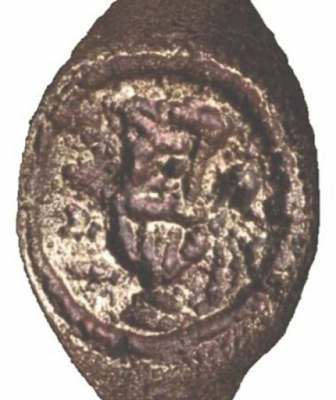
Ring of Pontius Pilate?

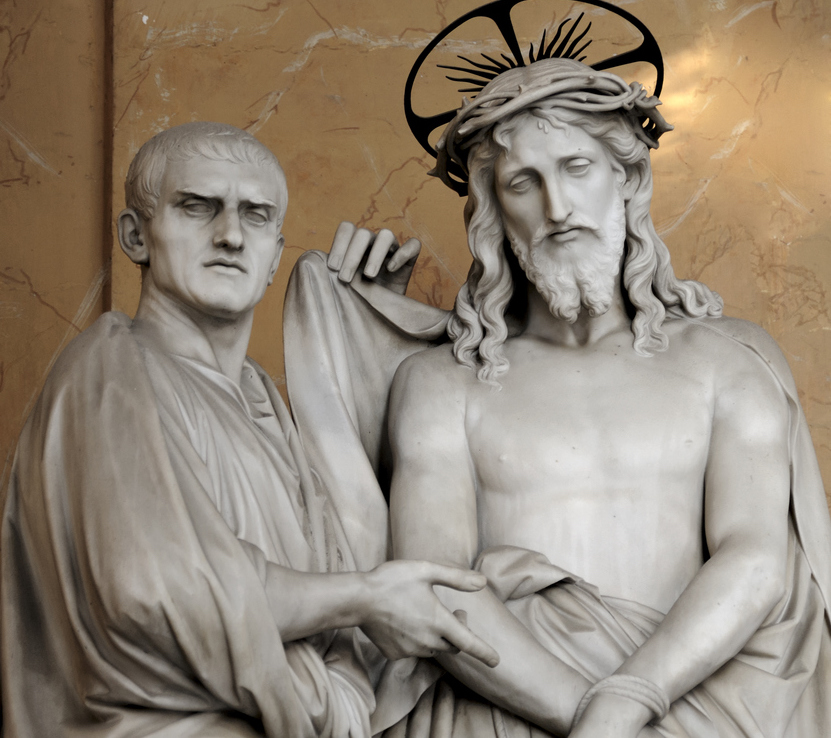
A 2,000-year-old bronze ring found near Bethlehem in 2018 bears the name of Pontius Pilate, the Roman official who ordered Jesus Christ to be crucified. Pilate was prefect or governor of the Roman province of Judaea under Emperor Tiberius when he presided at Christ’s trial and gave the order for his crucifixion.

The ring was found 50 years ago during an archeological excavation at the site of a fortress built by King Herod, but was overlooked for decades
One of the New Testament’s most infamous characters, Pontius Pilate ruled Judaea from around AD 26-36. According to accounts in the New Testament, he was reluctant to condemn Christ to death and washed his hands to symbolise that he abdicated responsibility for the crucifixion.

Saturday, September 4, 2021

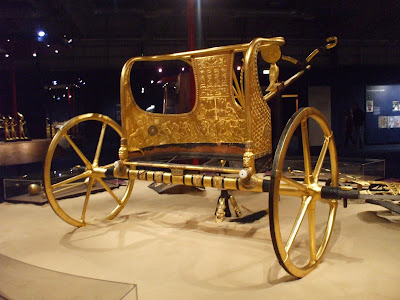
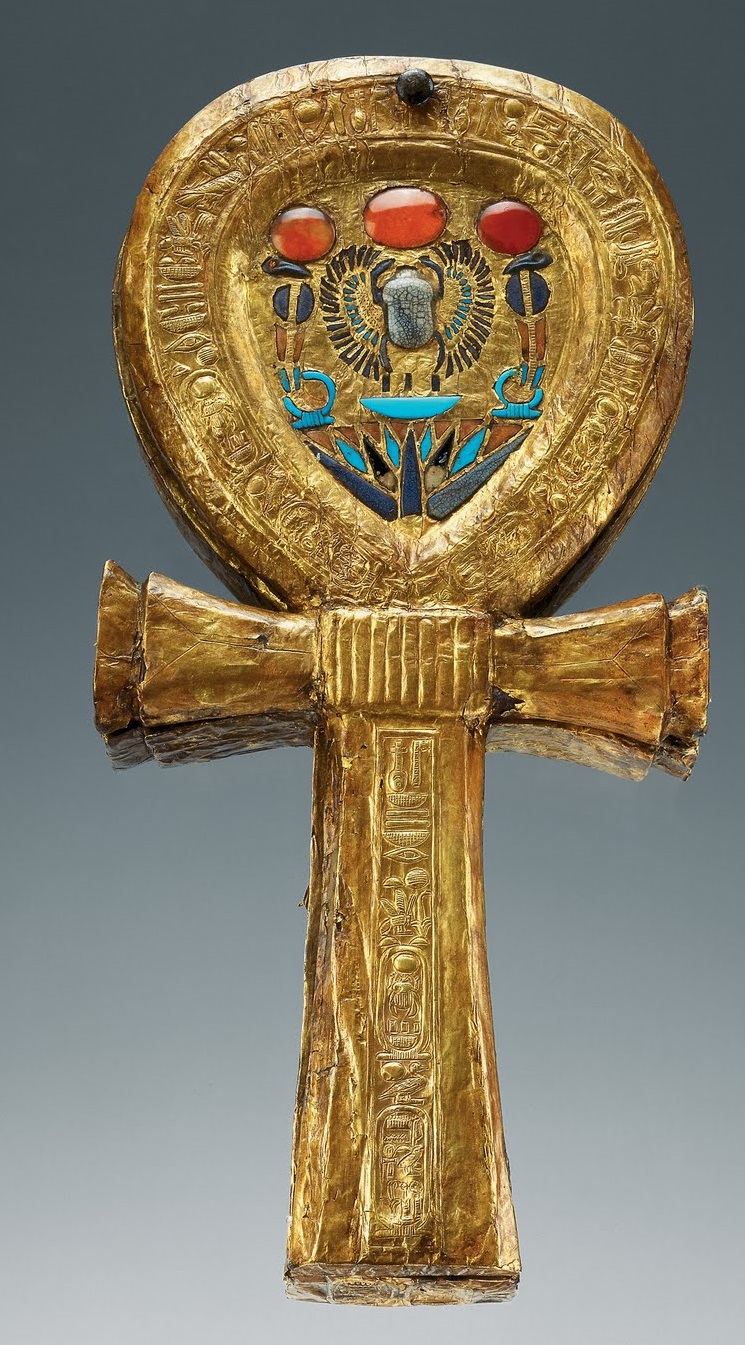
Tutankhamun’s gold

The Grand Egyptian Museum is exhibiting Tutankhamun’s gold. The exhibition is a celebration of the anniversary of the discovery of Tutankhamun’s tomb in 1922. More than 5,000 pieces of Tutankhamun’s artifacts are spread across 7,500 square meters.