Wednesday, May 26, 2021

Relics from the time of the Battle of Salamis uncovered

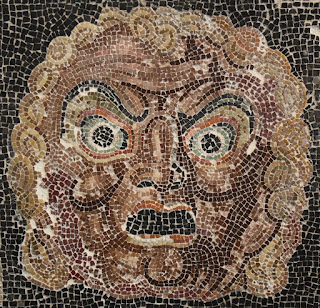
The remains of a building was discovered by archaeologists working at a site off the coast of Salamis in 2019. They found ceramics, statues, columns and other features. They also found marble sculptures, including the head of a statue.
It was around this time, 480 B.C., that the Battle of Salamis took place. Following successful invasions by the Persians, the Greek fleet had withdrawn to Salamis and they were outnumbered. At this point Themistocles, a politician and general, convinced Greek allies to build a fleet and fight.
See ----->Ancient Naval Bases Discovered in Athens' Piraeus Harbor

Tuesday, May 25, 2021

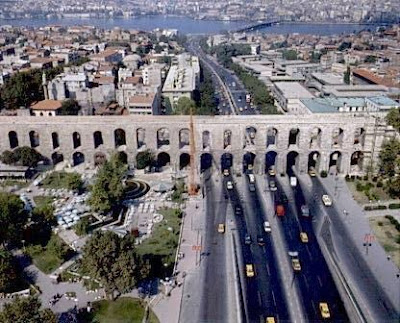
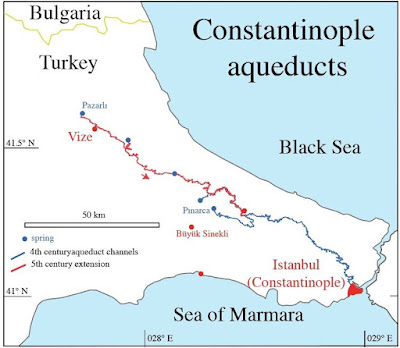
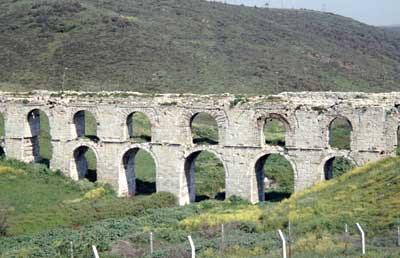
The Aqueduct of Constantinople

The longest aqueduct of all time, the Aqueduct of Valens is 429 km long and supplied Constantinople with water. In AD 324, the Roman Emperor Constantine the Great made Constantinople the new capital of the Roman Empire. The aqueduct system worked for more than 700 years, until at least the 12th century.

Sunday, May 23, 2021

Empress Livia Drusilla

Empress Livia Drusilla was Roman empress from 27 BC to 14 AD as the wife of Emperor Augustus. She was known as Julia Augusta after her formal adoption into the Julian family in AD 14. "Livia: a blight upon the nation as a mother, a blight upon the house of Caesar as a stepmother". That was Tacitus's assessment of Livia Drusilla. The historian elaborated that Livia put her husband, Emperor Augustus, under her control, and banished or had killed every potential heir to the throne in order to promote her own son, the bizzare Tiberius, as his successor.
In 42 AD Livia was deified by Claudius.
After Augustus died in 14 AD, Tiberius became emperor. Livia continued to exert political influence as the mother of the emperor. She was the great-grandmother of the emperor Caligula, grandmother of the emperor Claudius, and the great-great-grandmother of the emperor Nero. Livia is depicted as having great influence, to the extent where she "had the aged Augustus firmly under control." She died in 29 AD.

Tuesday, May 18, 2021

Agrippina “the Elder”

Agrippina I (mother of Caligula) Æ Sestertius. Rome, 37-41 CE. AGRIPPINA M F MAT C CAESARIS AVGVSTI, draped bust right / S P Q R MEMORIAE AGRIPPINAE, carpentum to left, drawn by two mules. $6,400. Born in 14 BCE, Agrippina “the Elder” was the daughter of Marcus Agrippa. Her mother was Julia, daughter of the first Roman emperor, Augustus. Agrippina married Germanicus, the adopted son of Augustus’ successor Tiberius, and in 12 CE bore the future emperor Gaius, nicknamed 'Caligula'.

She spent the time following Germanicus' death in 12 AD supporting the cause of her sons Nero and Drusus Caesar. She was caught in Nero's exile in AD 29. Nero was exiled to Pontia and she was exiled to the island of Pandateria, where she would remain until her death by starvation in AD 33.

Tuesday, May 4, 2021

Augustus head found

Archaeologists have found a marble head of the Roman emperor Augustus in the Italian town of Isernia. The town was conquered by the Romans in 295 B.C.E. In 90 B.C.E., it was taken over by the Samnites, and then fell back into Roman control.

Sunday, May 2, 2021

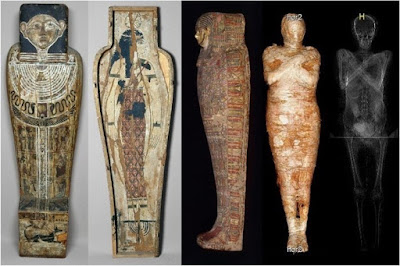
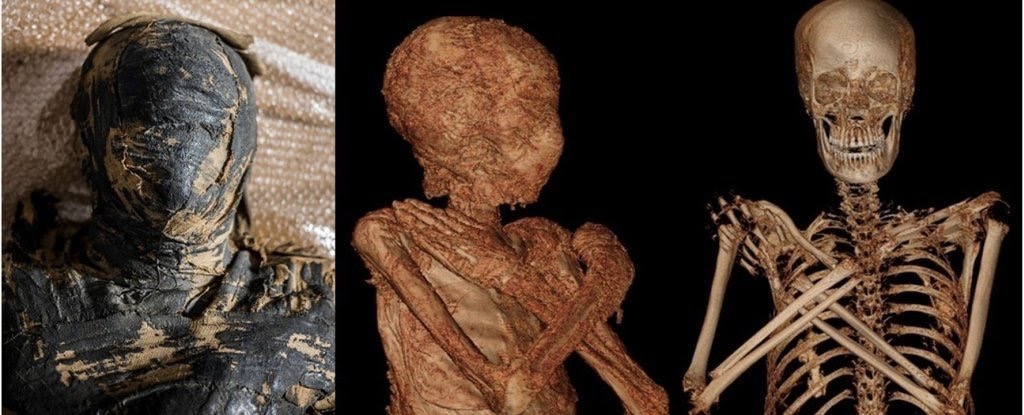
Pregnant mummy found

A pregnant mummy has been found. "Scribe, priest of Horus-Thoth worshiped as a visiting deity in the Mount of Djeme, royal governor of the town of Petmiten, Hor-Djehuty, justified by voice, son of Padiamonemipet and lady of a house Tanetmin," the translation read.
She died just over 2,000 years ago, in the first century BCE, between the ages of 20 and 30.