
 The Achaemenid Dynasty built an empire (559–330 BC) which, at its peak, spanned three continents. | 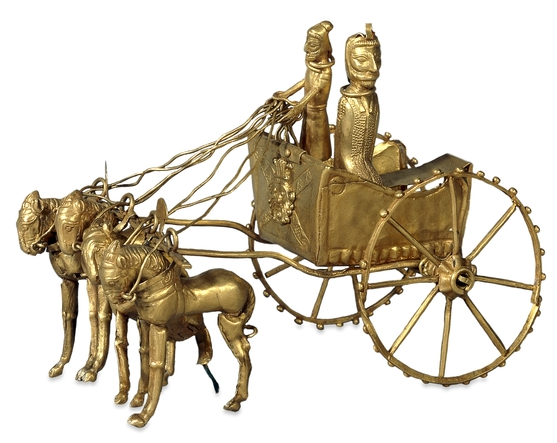 |
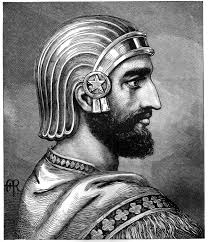 Cyrus the Great | The Achaemenid dynasty ruled the Persian Empire, which stretched from Egypt and Thrace in the west to Central Asia and the Indus Valley in the east. In land mass, the Achaemenid Empire was the largest empire the ancient world had ever seen until 331-330 BC, when Alexander the Great toppled it on his eastward march from the Mediterranean through Afghanistan to India. The Persian Empire became the first to govern many ethnic groups on the principle of equal rights, as long as taxes were paid and the peace kept. | 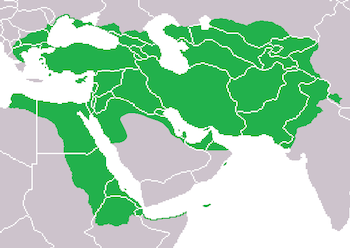 |
 | The king didn't interfere with the local customs and religions of its subject states, a unique quality that fostered rapid growth.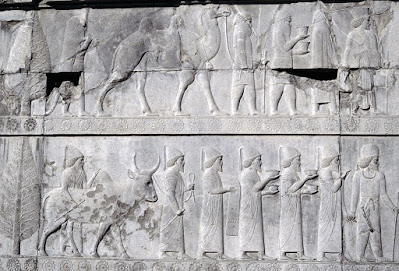 | 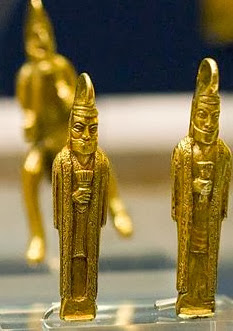 |
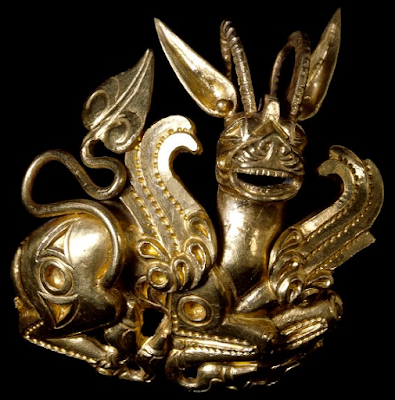 | 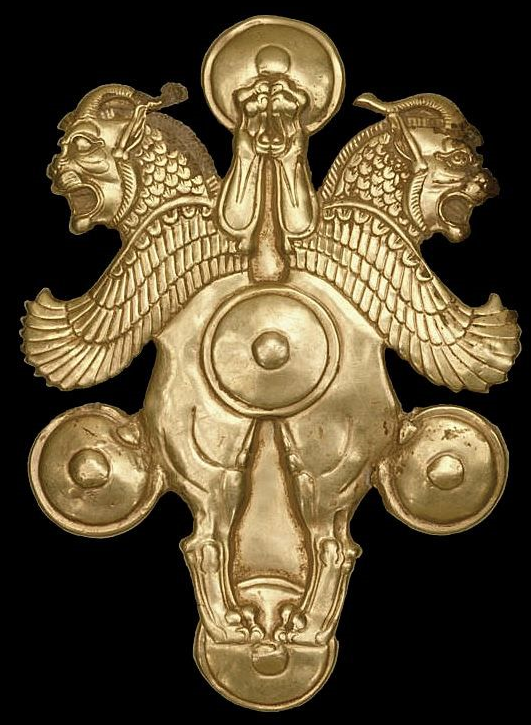 | 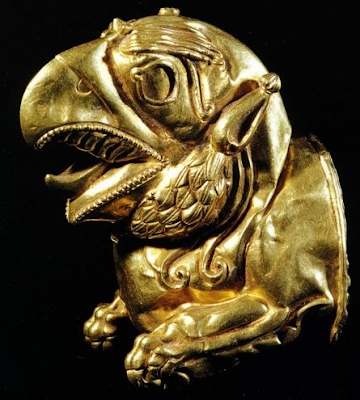 |
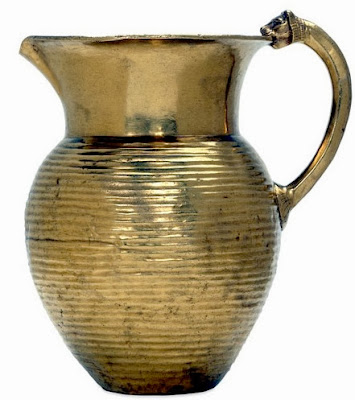
 | The treasure is thought to have once been housed in a temple which was looted and the hoard then buried to be retrieved later. The British Museum has nearly all the surviving metalwork from the hoard.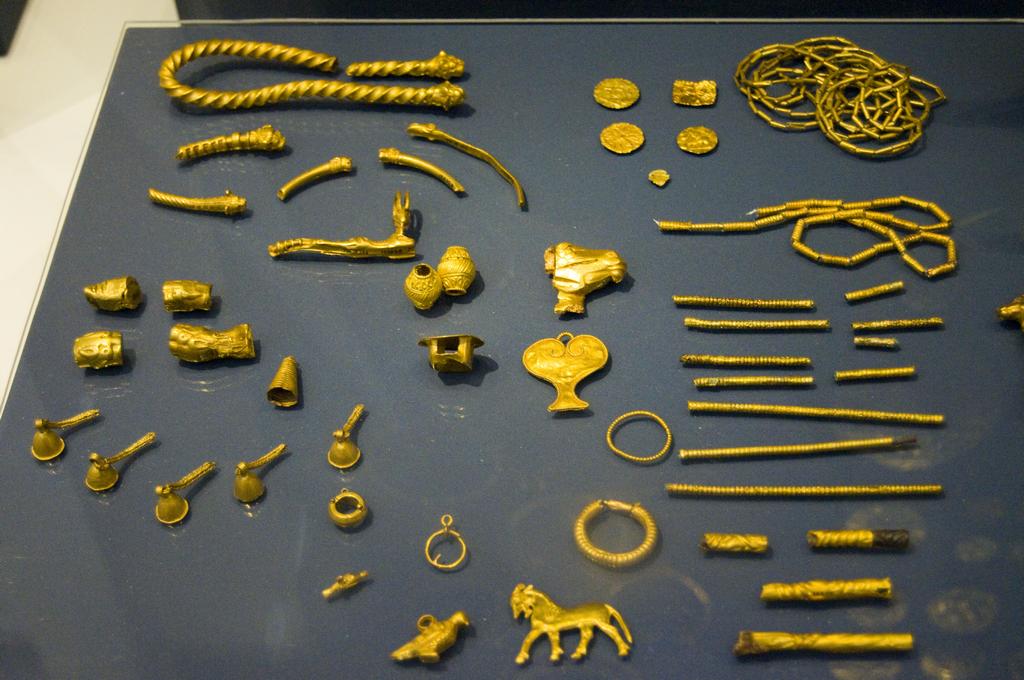 | 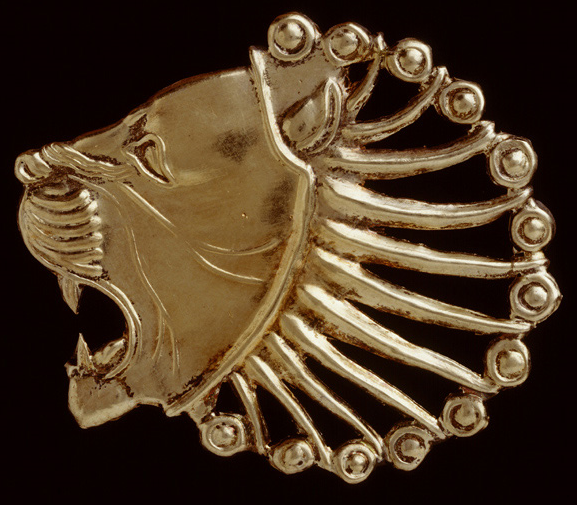 |

No comments:
Post a Comment