 | The New Forest Hoard, 63 gold coins and one silver, was found by a family digging a flowerbed in a clump of soil in April 2020 near Milford on Sea, Hampshire. A further six gold coins were then unearthed following an archaeological excavation in the garden after the hoard was appraised at the British Museum and deemed treasure in October 2021. Most of the coins are of a type known as “angels” for the design on the obverse of the archangel Michael slaying a dragon with a cross-shaped spear. First minted under Edward IV in 1465, angels were the standard gold coin in Britain for two centuries.
| |
The coins had been estimated to fetch about £230k were sold at auction for just over £380k.
 | The earliest coin found was struck in the 1420s in the reign of Henry VI and the latest 1536-37 from Henry VIII. The coins are in five different denominations. The hoard was thought to have been buried in the 1530's. The most valuable single coin was a Henry VIII crown of the double rose from 1536-1537. It sold for over £17,000, more than three times its pre-sale estimate. | |
The Double Rose minted between 1536 and 1537 was struck in 22-carat gold ("crown gold"), which was a shift from the previous 23-carat standard. 91.67% pure gold, 2 carats alloy, usually copper or silver. Weight was about 57.5 grains (3.73 grams).
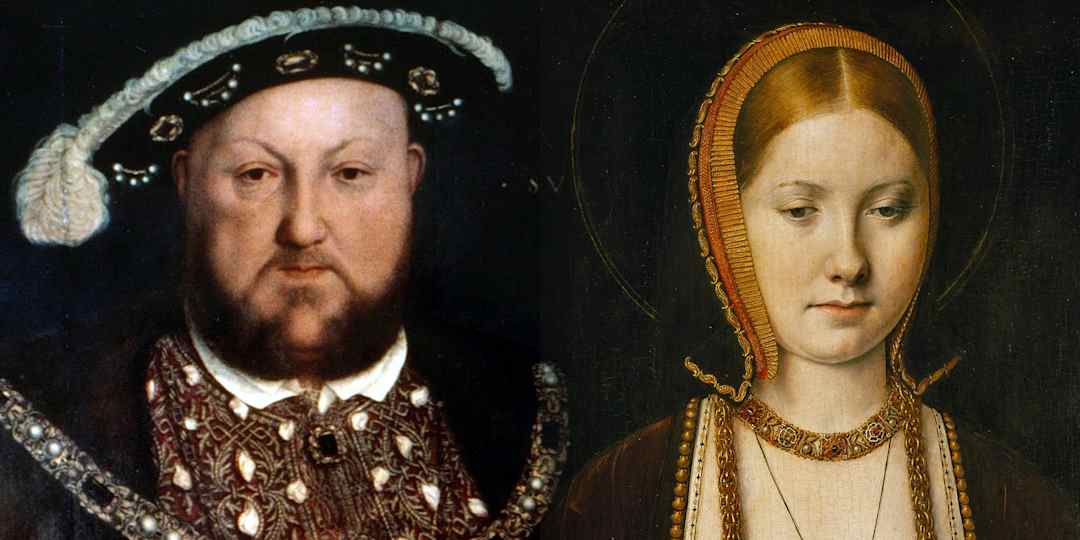 | When it was buried the hoard was a substantial fortune with a probable purchasing power over £500k today. Experts believe the New Forest Hoard represented a family’s savings and was buried to keep it safe from political turbulence around the dissolution of the monasteries after Henry VIII’s break with Catholicism in 1533. | |
Four of the gold coins bear the initials of three of the wives of King Henry VIII. The first three of the six, K for Catherine of Aragon, A for Anne Boleyn and I for Jane Seymour. The one with Jane’s initial is the earliest coin in the hoard.


No comments:
Post a Comment