 | In 458 BC, Rome was in danger and on the brink of collapse.
An invading army had trapped the Roman consul and his legion in a mountain pass. Panic spread through the city. The Senate did the only thing they could think of: they sent messengers to find a 60-year-old farmer plowing his field.
He was Lucius Quinctius Cincinnatus. He had once been a senator, but now he worked his own four-acre plot of land. Rome made him dictator with absolute power. Total command of the army. No checks or oversight. No term limit. He accepted. Within 16 days, Cincinnatus had raised an army, marched out, surrounded the enemy, and forced their surrender. The republic was saved. He had legal authority to rule for six months. |  |
Cloelius Gracchus, the Aequian commander, was paraded in Cincinnatus' triumphal procession. Cincinnatus resigned as dictator the same day. He took off his toga, put his work clothes on, and walked back to his farm and finished plowing the field he'd left. 20 years later, when Rome faced another crisis, they called on him again.
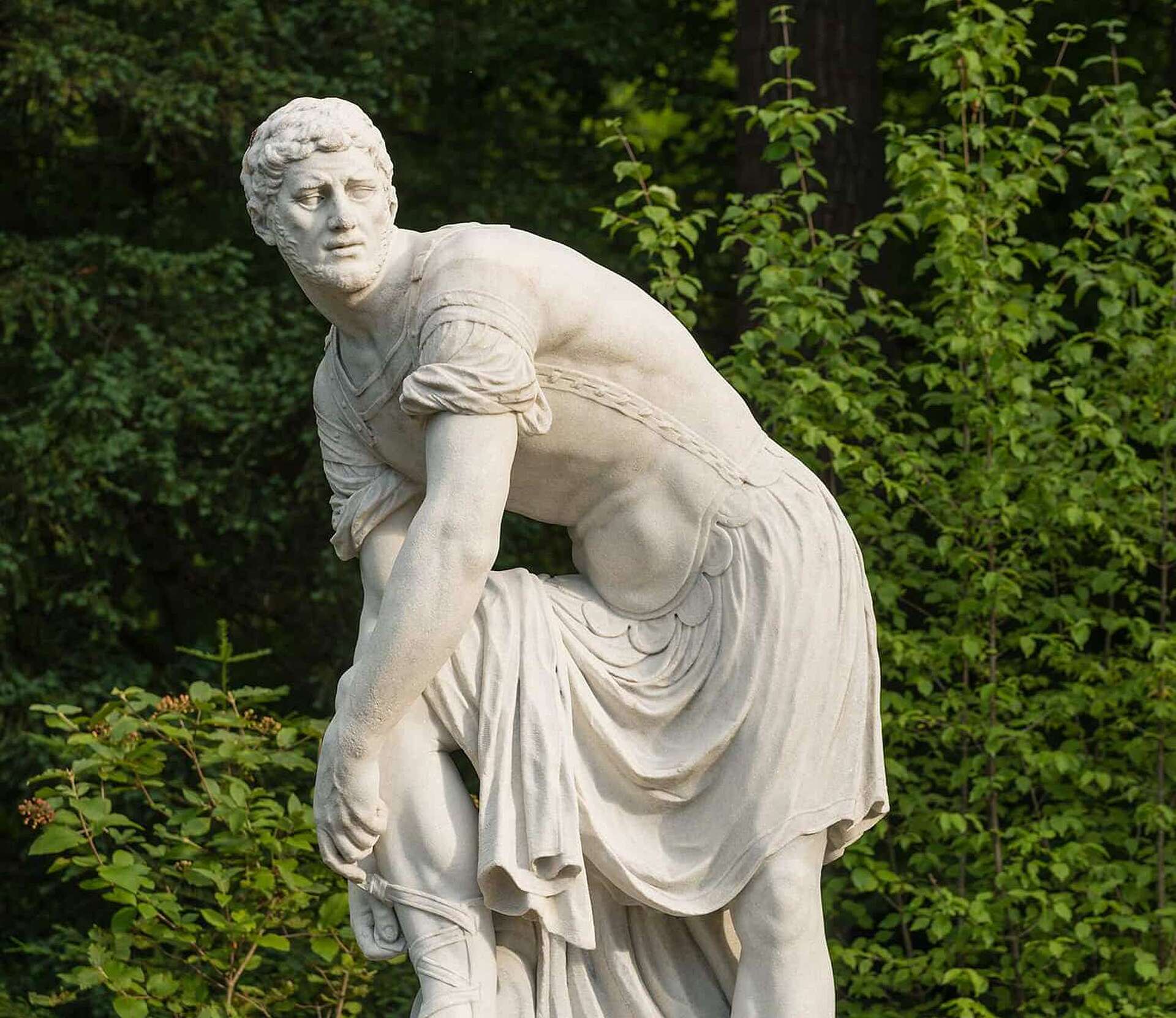 | He was 80 years old. He took command, crushed the conspiracy, and resigned again, this time after 21 days. He died a poor man on his farm. The lesson of Cincinnatus was not his humility. The lesson is that the people most qualified to lead were the ones who didn't want to. The moment society rewards those who chase their blind ambition for power instead of those who flee from it, is the moment society begins to die. Cincinnati, Ohio is named after him. Most people have no idea why.
| |


No comments:
Post a Comment