On this day in 1184 BC, according to ancient chronologists, the Fall of Troy occurred. It was the legendary climax of the Trojan War.
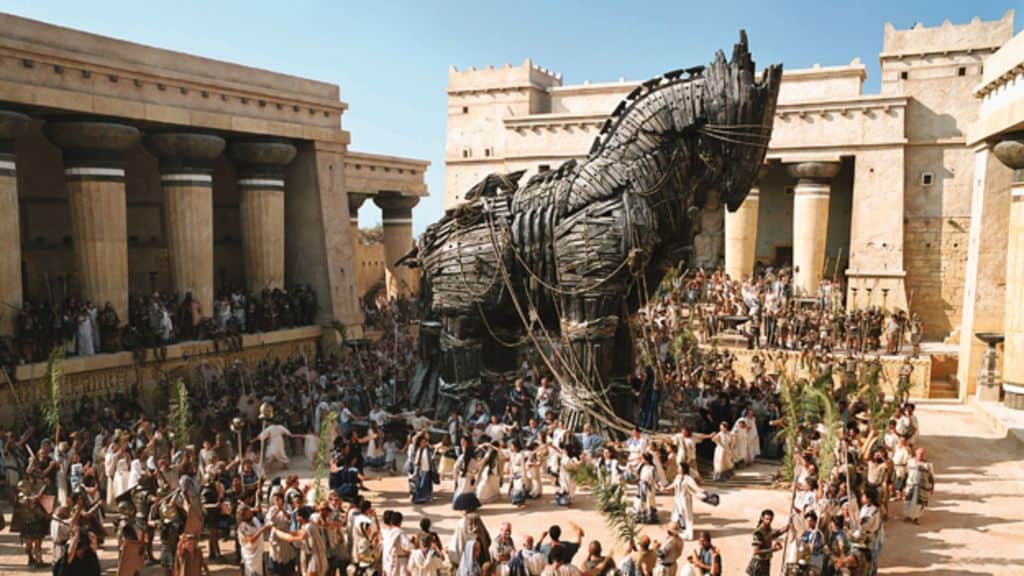 | After 10 years of siege by the Greeks, they feigned departure and left behind a hollow wooden horse. Inside were Greek warriors who emerged at night, opening the city gates to the returning army, resulting in the city's destruction. | |
 | Late Bronze Age records confirm the existence of a very powerful city not far from the Dardanelles strait called Wilusa (Greek Ilios/Troy) ruled by a king called Alaksandu. (Paris's birth name according to Homer was Alexander.)
Archaeologists have discovered skeletons, arrowheads and traces of destruction which point to a violent end for Troy Level VII – as the late Bronze Age city has been designated.
The tale of the fall of Troy is recorded in two epics, the Iliad and the Odyssey, attributed to Homer and written about 400 years after the events. More than a century of archaeological and historical research confirms that there was a war on Troy when Homer says there was. Homer's account centres around the affair between Paris and the Spartan queen Helen. | |
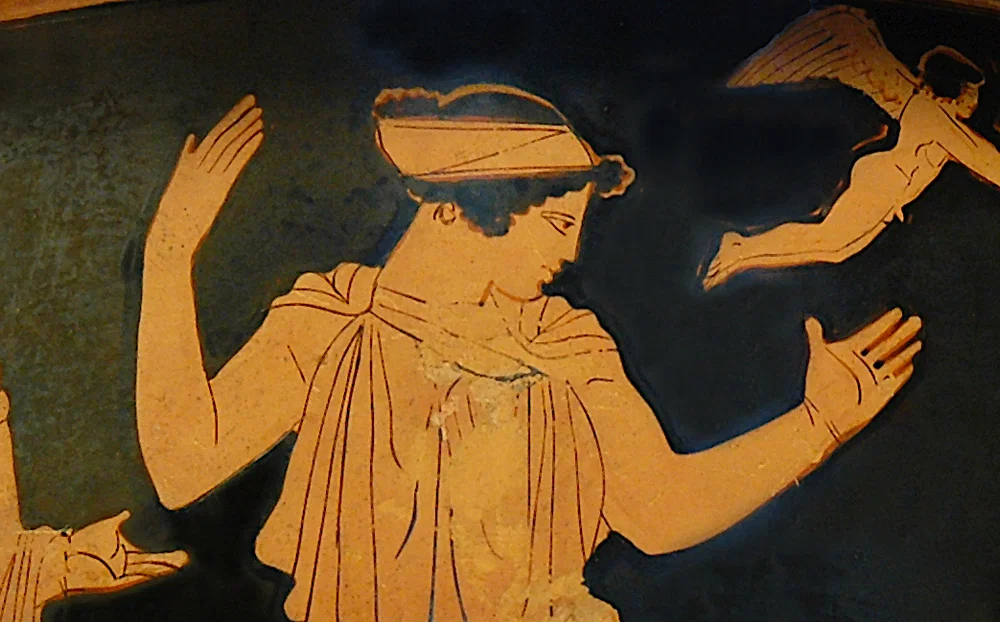 | | Helen was the wife of Menelaus, the king of Sparta, and considered the most beautiful woman in the world. Menelaus persuaded his brother Agamemnon, king of Mycenae, to besiege Troy and recapture Helen.  |
Thousands of years after Homer’s Iliad described the Trojan War, it was thought to be nothing more than an entertaining legend. That all changed in 1868 with the discovery of a burned, truly ancient Troy.
See ----
Priam's Treasure


No comments:
Post a Comment