Sunday, May 2, 2021

Pregnant mummy found

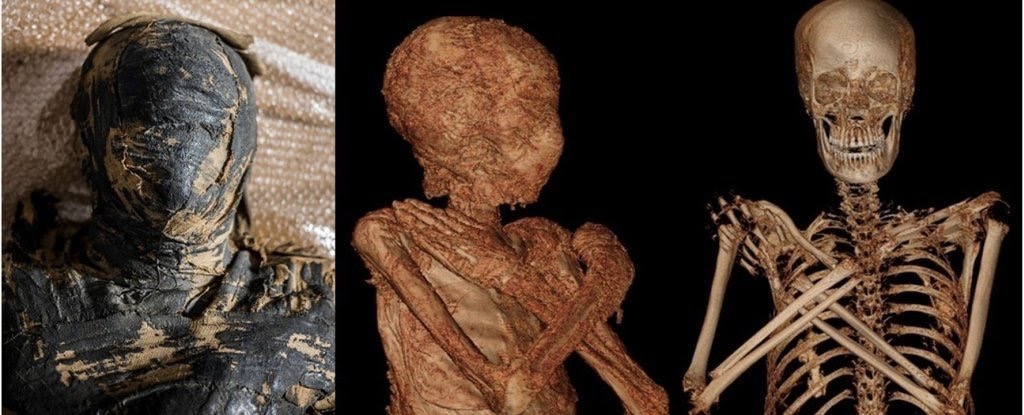
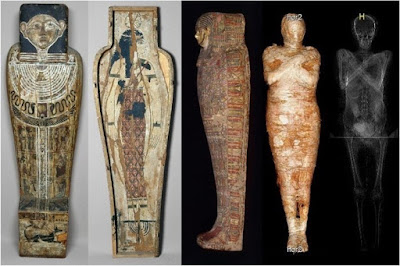
A pregnant mummy has been found. "Scribe, priest of Horus-Thoth worshiped as a visiting deity in the Mount of Djeme, royal governor of the town of Petmiten, Hor-Djehuty, justified by voice, son of Padiamonemipet and lady of a house Tanetmin," the translation read.
She died just over 2,000 years ago, in the first century BCE, between the ages of 20 and 30.

Friday, April 30, 2021

Abraxas

An abraxas is an invented word or symbol. An ancient charm word engraved on gemstones composed of seven Greek letters, which when converted to numerals, totaled 365 (the number of heavens by Gnostic sect). Abraxas is considered the Supreme Unknown in gnostic theogony and the source of 365 emanations in Persian mythology. His name is found on gems and amulets, and is associated with the word “abracadabra.”
Abrasax stones are ancient gemstones engraved with the word Abrasax, or the images of the god, or both the image and inscriptions.

Friday, April 16, 2021

Nymphaeum Museum in Rome

The Rome headquarters of the National Insurance and Assistance Body for Doctors and Dentists is in the Piazza Vittorio section of the city. 13 feet under the lobby of the country’s leading medical pension fund are the restored ruins of Casa Caligula. After a nine-year excavation, it will open to the public for the first time.

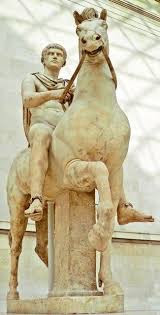
Caligua declared himself a god and spoke of making his horse ´Incitatus´ a senator.
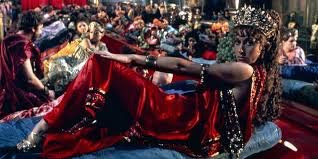
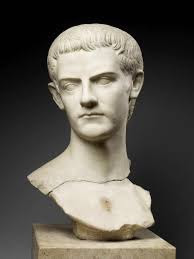
Caligula, officially Gaius Julius Caesar Germanicus, is recorded as a sadistic lunatic and one of Rome's worst tyrants. Sources describe his cruelty, sadism, extravagance, and sexual perversion. He was born in the year 12 and spent his childhood in military camps along the Rhine with his father Germanicus, one of the great Roman generals of his time. His mother, Agrippina the Elder, the granddaughter of Augustus himself, used to dress Gaius up as a soldier, down to the caliga sandals on his feet.
In early 41, Caligula was assassinated as a result of a conspiracy by officers of the Praetorian Guard, senators, and courtiers.

Thursday, April 8, 2021

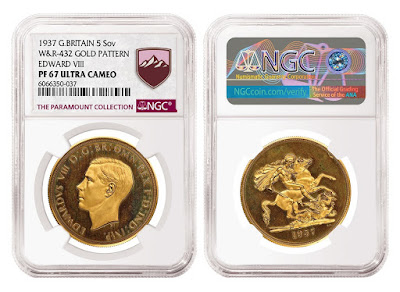
1937 Edward VIII Gold Pattern 5 Sovereign $2.2m

This Great Britain 1937 Edward VIII Gold Pattern 5 Sovereign graded NGC PF 67 Ultra Cameo had an estimate of $1m. It made $2.2m. It is one of two known in private hands. Only a few pattern coins were produced for Edward VIII after his coronation in 1936. Less than a year into his reign, he gave up the throne, and his coinage was never issued.

Saturday, April 3, 2021

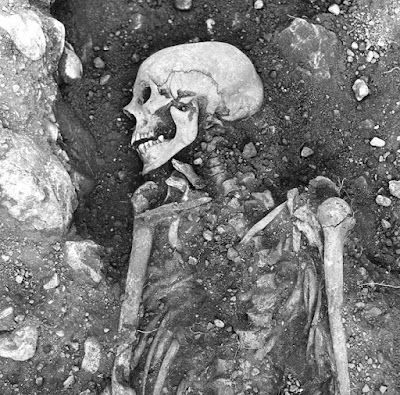
DNA suggests Vikings may have been plagued by smallpox

Researchers collected DNA from viruses in the remains of northern Europeans living during the Viking Age, some of whom were likely Vikings themselves. They were infected with extinct but related versions of the variola virus that causes smallpox.

It is still uncertain when the virus that causes smallpox first began to infect people. The disease is estimated to have killed as many as 500 million people.
Researchers isolated viral DNA from human teeth and bones, like this 1,200-year-old smallpox-infected Viking skeleton found in Öland, Sweden. The team reconstructed nearly complete genetic blueprints of four of the 11 ancient viruses. During that period, smallpox may have been widespread throughout Europe and could have caused serious disease.

Saturday, March 27, 2021

Sanxingdui Ruins

Sanxingdui (Chinese: 三星堆;'Three Star Mound') is a major Bronze Age site in modern Guanghan, Sichuan, China. It was populated in the 12th–11th centuries BCE. Archaeologists found six new sacrificial pits and unearthed more than 500 items dating back 3,000 years at the Sanxingdui Ruins in Sichuan Province last year.
Items from four of the pits included pieces of gold masks, gold foil, bronze masks, bronze tree relics and several ivory pieces.

Monday, March 22, 2021

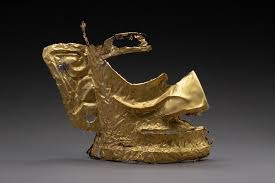
Gold mask found in China

Archaeologists have uncovered a 3,000-year-old gold mask in southwest China. Weighing about 280 grams of 84% gold, the ceremonial mask is one of over 500 items unearthed from six newly discovered "sacrificial pits."
The finds were made at Sanxingdui, a 4.6-square-mile area outside the provincial capital of Chengdu. Experts say the items may shine light on the Shu state, a kingdom that ruled in the western Sichuan basin until 316 BC.

Saturday, March 20, 2021

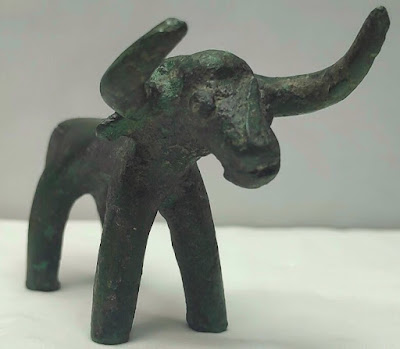
Bronze bull from ancient Olympia found

Greek archaeologists have unearthed by chance a 2,500-year-old bronze bull at the archaeological site of Olympia. With one of its horns sticking out of the ground after a heavy rainfall, the statuette was found intact, close to the temple of Zeus at Olympia.

Archaeologists believe the bull was part of the gifts offered to Zeus from 1,050 to 700 B.C.

Sunday, March 14, 2021

Huge ancient shipwreck examined

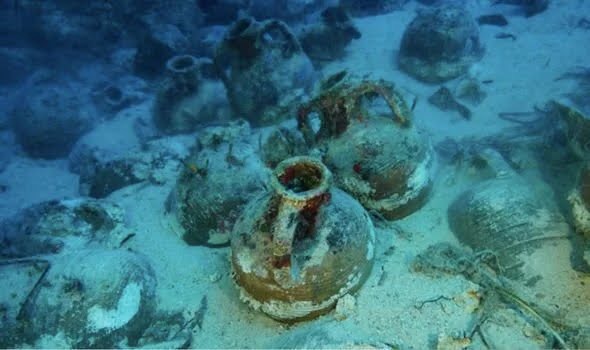
An ancient ship was found off the coast of Kefalonia - one of the Ionian islands near the west coast of Greece. The wreck of the 35 metres (110ft) ship, along with its cargo of 6,000 amphorae, was discovered at a depth of around 60 metres.(197ft) Goods such as cereal, wine, oil and olives were transported throughout the Mediterranean, with Rome often their final destination.
Study of the wreck could shed light on sea-routes, trading, amphorae hull stowage and shipbuilding in the period between first century BC and first century AD.

Friday, March 12, 2021

Roman floor found in Southern France

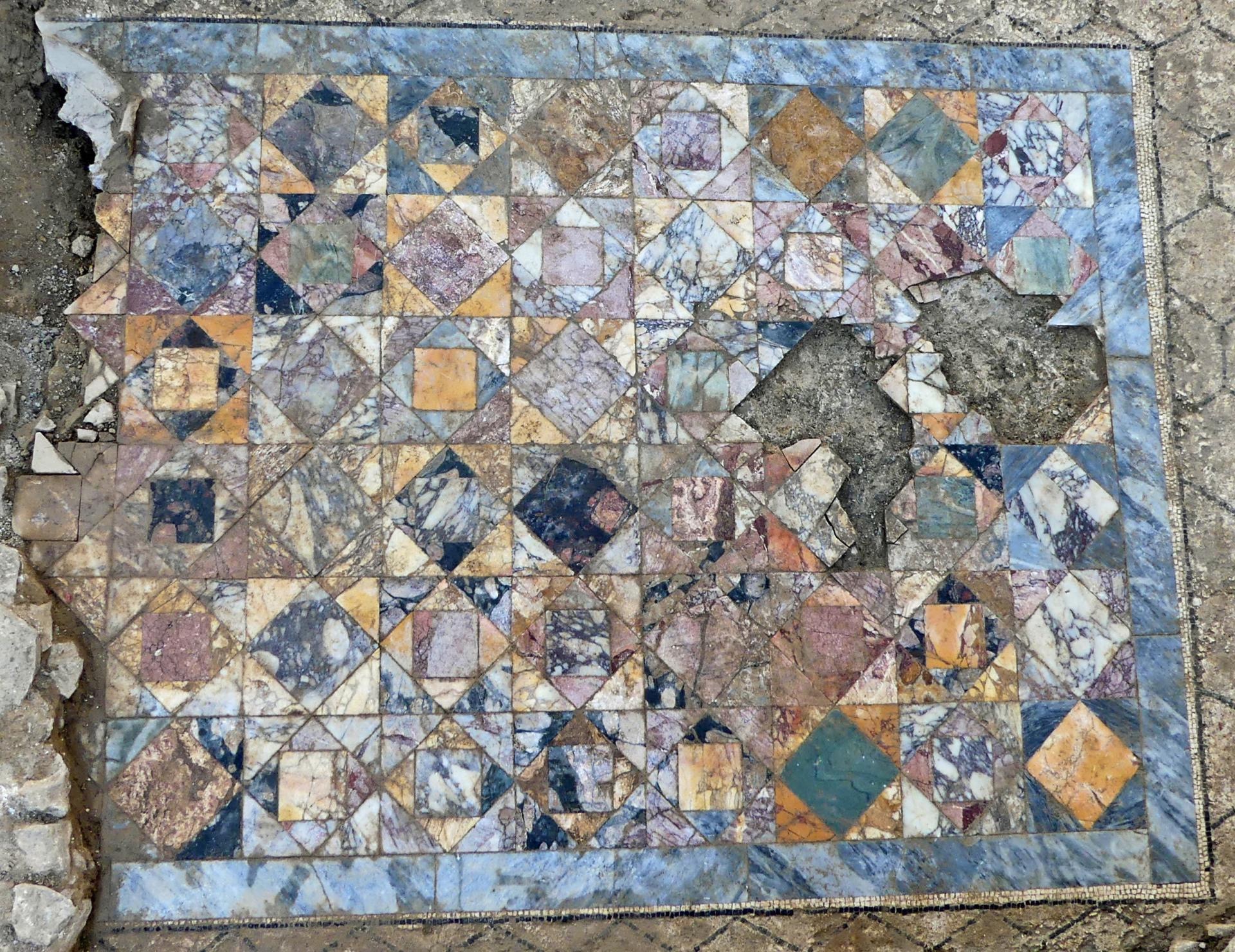
Developers in Nîmes, France, had to halt construction when archaeologists discovered an opulent tiled floor that once blanketed a Roman villa, or domu. This domu was lavish and featured a private bath, a concrete floor speckled with decorative gemstones, and a large central fountain made from Carrara white marble. One room even had remains of hypocaust heating, an inventive system that sent hot air underneath the flooring to warm the home.

Wednesday, March 10, 2021

4.6 b yo meteorite found in Algeria

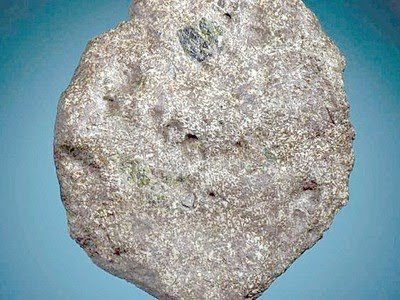
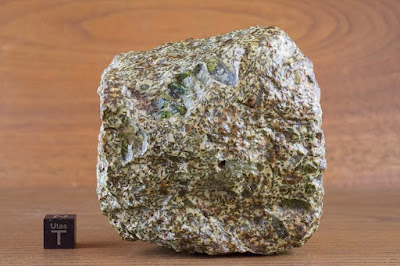
A 4.6 billion-year-old meteorite may be the oldest rock ever analyzed. The rock, named Erg Chech 002, was discovered in May 2020 in the Erg Chech area of southwestern Algeria. Unlike most discovered meteorites, which are made of basalt, created after lava has cooled, the meteorite is composed of a much rarer volcanic rock called andesite. Achrondites are igneous rocks that come from a body that has undergone internal melting that distinguishes the core from its crust. Silica-infused andesite crusts were likely common during our solar system’s protoplanet-forming stage.
Stones found in May 2020 totalling 22.8 kg were found showing distinctive large greenish orthopyroxene megacrysts.

Tuesday, March 2, 2021

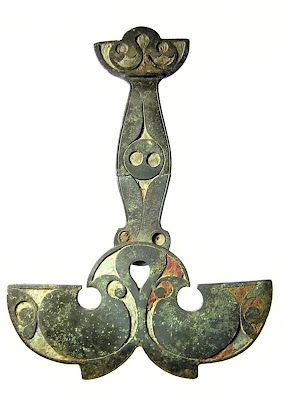
Celtic Chieftain’s chariot brooch - £55,000

The brooch is made from cast copper-alloy. The front is decorated with champlevé enamel - red glass - forming a flowing pattern of opposed scrolls with tips that curl like breaking waves. The decoration is in the tradition of the Celtic ‘South Western Style’. The very rare horse brooch would probably have belonged to a wealthy Celtic chieftain in the mid 1st century AD. They indicate high status. There are only a handful of known examples from Britain. Buckinghamshire, where it was found, was once the territory of the Trinovantes and the Catuvellauni, two of the most powerful and richest tribes in Ancient Britain.