 | A massive floor mosaic of 84 square meters, which is thought to belong to the Late Roman or Early Byzantine period, was discovered by chance while a farmer was excavating for planting saplings in the Salkaya village of Elazığ, located in the Eastern Anatolia region of Türkiye. The lavishly decorated floor, which is 904 square feet in size, is believed to be the largest of its type ever found in Turkey. This stunning Roman-era mosaic has not been precisely dated, but is thought to have been installed sometime in the later part of the Roman period, perhaps from the third or fourth century AD. The imagery on the mosaic features hunting scenes (of animals stalking or chasing other animals). Especially notable is an image of a rare Anatolian leopard. The floor would have been in a home in an ancient settlement located near Salkaya, which is located 315 miles (500 kilometers) east of Ankara. |

Friday, February 7, 2025
Spectacular mosaic in Turkey

Monday, October 31, 2022
Rome subway work reveals artifacts
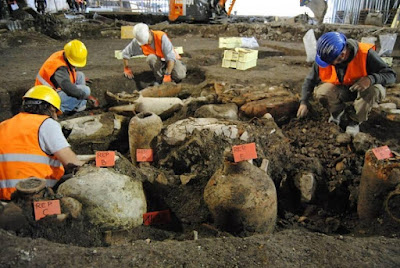 | Construction of the subway in Rome in 2017 resulted in scores of treasures from ancient times. Ancient Roman objects featured amphora, marble panels, coins and peach pits. Officials created a permanent exhibit of the excavated articles at the San Giovanni metro station. |  |
 Human bones at ancient Roman ruins of former barracks. 13 skeletons were found. 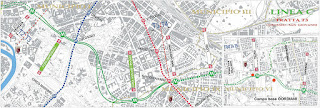 | 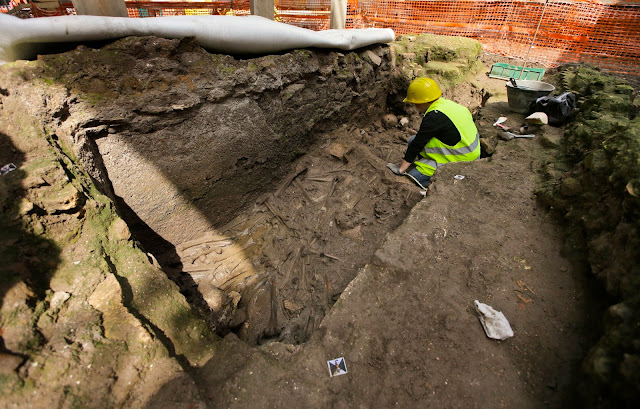 |
 | The barracks were for Roman Praetorian guards dating back to the period of Emperor Hadrian. (117 to 138). The Praetorian Guard were elite military troops. They were household troops of Roman emperors and acted as bodyguards. Notable finds included a three-pronged iron pitchfork, storage baskets, leather fragments possibly from a farmhand's glove or shoe, and traces carved into stone by a waterwheel's repeated turning. Peach pits, presumably from the farm's orchard, also were found. Peaches were still a novelty, first imported from the Middle East. Ancient Romans recycled. Amphorae, the jars they favored to transport and store food, were lined up with their ends cut open to double as water conduits. Other, older signs of life were carriage ruts from as long ago as the 6th century B.C. |
 |  |
Wednesday, October 26, 2022
Treasures of Ancient Greece: Life, Myth and Heroes
 | An exhibit of 150 ancient Greek artifacts was on display at the Children’s Museum of Indianapolis in 2019. The exhibition featured bronze and marble statues, gold jewelry and funerary objects. | 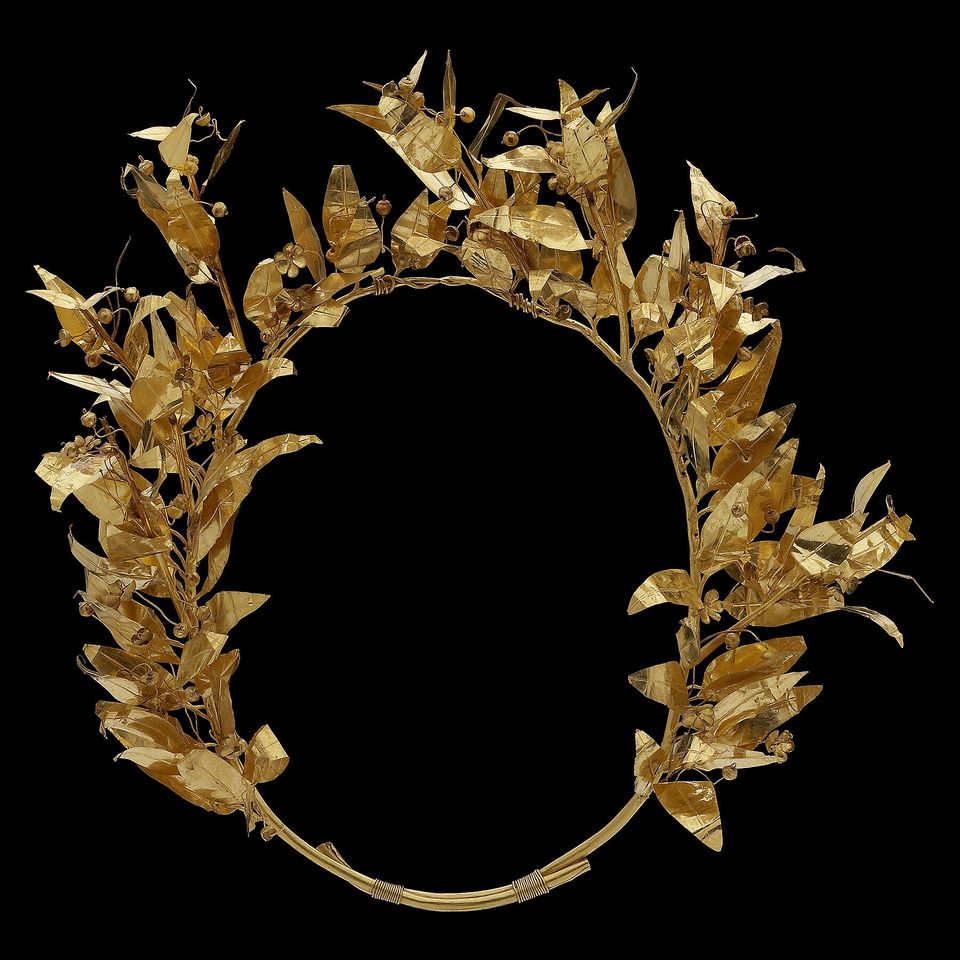 |
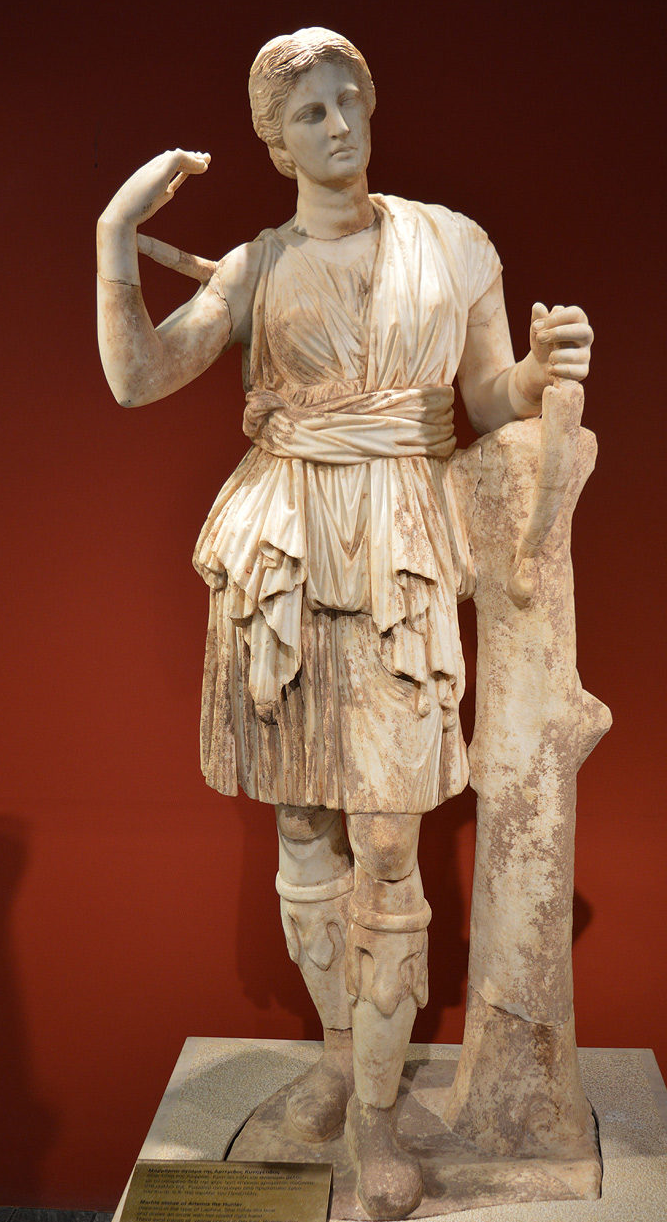 |  |
Saturday, October 15, 2022
Cancer found in ancient Egyptians
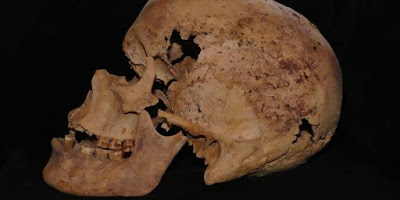 This ancient woman died of breast cancer. | Archaeologists found six cases of cancer while studying the bodies of ancient Egyptians who were buried in the Dakhleh Oasis. The finds include a toddler with leukemia, a mummified man with rectal cancer and individuals with cancer possibly caused by human papillomavirus (HPV).  |
 In five of the six cases, scientists determined that they had cancer by studying lesions (holes and bone damage) on their skeletons. | Those holes were left when cancer spread throughout their bodies. Researchers cannot be certain where the cancers originated in many of the cases. |  Researchers believe the risk of cancer was considerably lower in ancient Egypt than it is today. |
Saturday, October 8, 2022
Jurassic-era piranha is world's earliest flesh-eating fish
 | The creature, found in South Germany, lived about 150 mya and had the distinctive teeth of modern-day piranhas. The Jurassic marauders used their razor teeth to tear chunks of flesh and fins off other fish; a renewable resource as fins grew back. |  |
Friday, September 30, 2022
Plinian eruption of Mount Vesuvius
 | A Plinian eruption of Mount Vesuvius occured around 4,000 years ago—2,000 years before the one that buried the Roman city of Pompeii. The village of Afragola was situated near present-day Naples, about 10 miles from Mount Vesuvius. |  Afragola became a snapshot of the Early Bronze Age in Italy. |
 | Following the eruption, the village was encased in meters of ash, mud, and alluvial sediments. The course of the eruption happened in different phases, starting with a dramatic explosion. The villagers had time to flee, which is why the site doesn't contain human remains. Then the direction of the wind changed, bringing a huge amount of ash toward Afragola. In Campania at this time there were huts, but in Greece, they had palaces. Evidence points toward the eruption happening in the fall, as the villagers amassed their food stores for the winter. The eruption occured around 1780 BC. |
Saturday, September 10, 2022
Highlights from 2019 Künker Fall World and Ancient Coin Auction
 Lucania. Poseidonia. Stater, 530/500 B.C. Est: 15k euros, Hammer price: 30k euros. | The Künker Fall World and Ancient Coin Auction has many spectacular ancients changing hands. |  Sicily. Gela. Tetradrachm, 425/420 B.C. Est: 12,500 euros, Hammer price: 38k euros. |
 Sicily. Kamarina. Tetradrachm, 425/405 B.C. Estimate: 10k euros, Hammer price: 40k euros. |  Pertinax, 193. Aureus, Rome. Est: 40k euros, Hammer price: 47k euros. |  Kingdom of Macedonia. Alexander III, 336-323 B.C. Distater, 330/320 B.C., Amphipolis. Est: 7,500 euros, Hammer price: 28k euros. |
Tuesday, August 30, 2022
Chilesaurus; 'Most bizarre dinosaur ever found'
 | A vegetarian dinosaur with the silhouette of a flesh-ripping velociraptor, whose fossilized remains were unearthed in southern Chile 16 years ago, is a missing link in dinosaur evolution, say researchers. An inverted, bird-like hip structure and flattened, leaf-shaped teeth prove an exclusively vegetal diet, not a meat eating one. Chilesaurus is more closely related to a group including Triceratops and the three-tonne Stegosaurus. The first dinosaur emerged some 228m years ago. The new findings support the idea that Chilesaurus is the 'missing link' between the T-Rex Family and Herbivores. Theropods and ornithischians may have shared a common ancestor as early as 225m years ago. |  |
 |  |  |
Saturday, August 20, 2022
Divining the will of the Gods
 Clay model of a sheep’s liver used for instruction in liver divination in a Babylonian Temple School, c. 2000 B.C. | The ancient world offered many ways of telling the future and divining the will of the gods. In second-millennium B.C. Mesopotamia, oracle-priests would ritually sacrifice an animal and read it's entrails (extispicy). The priests chose to inspect a sacrificed animal’s liver, which was deemed the location of the soul. Divining by inspecting the liver was called hepatomancy. |  |
 | In Ancient Rome, a haruspex was a person trained to practice this form of divination. On behalf of the person who brought the animal to the temple, the priests asked the gods a question; the gods inscribed the answer in the entrails. Over the centuries, liver models became popular across the ancient Near East, from Assyria to Babylonia, Anatolia to Cyprus.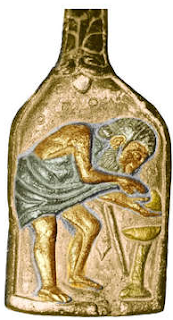 |
Tuesday, August 16, 2022
Lake drained in failed treasure hunt for Roman gold
 | A 12,000 year old lake was destroyed after a team of treasure hunters carried out an authorized excavation to unearth ancient gold in Turkey's northern Gümüşhane province in 2019. Located in the Taşköprü Plateau, Lake Dipsiz (Bottomless) was drained after an application to the Gümüşhane Governor's Office to carry out an excavation. |  |
 | The governor and the Gümüşhane Culture and Tourism Directorate both authorized the controversial excavation. No gold was found and the excavation was stopped after four days. The treasure hunters were trying to find gold of the 15th Apollinaris Legion (Legio XV Apollinaris), which was one of the four largest military units of the Roman Empire in Asia Minor. It was recruited by Octavian (Augustus) in 41/40 BC. The legion was stationed in the area around 134. Dating back to the last ice age, Lake Dipsiz does not have a source of water. |  |
Wednesday, August 10, 2022
Sumerian antiquities returned to Iraq
 | In 2018, after years in police storage, 8 objects were taken to the British Museum for analysis. They were quickly identified as being from the site of ancient Girsu (modern Tello) in Southern Iraq, one of the earliest known cities of the world. The British Museum has been conducting archaeological excavations there since 2016. Inscriptions linked the cones with the Eninnu temple complex at Girsu. |  |
 | It's believed the objects were removed in 2003, around the time of the fall of Saddam Hussein. 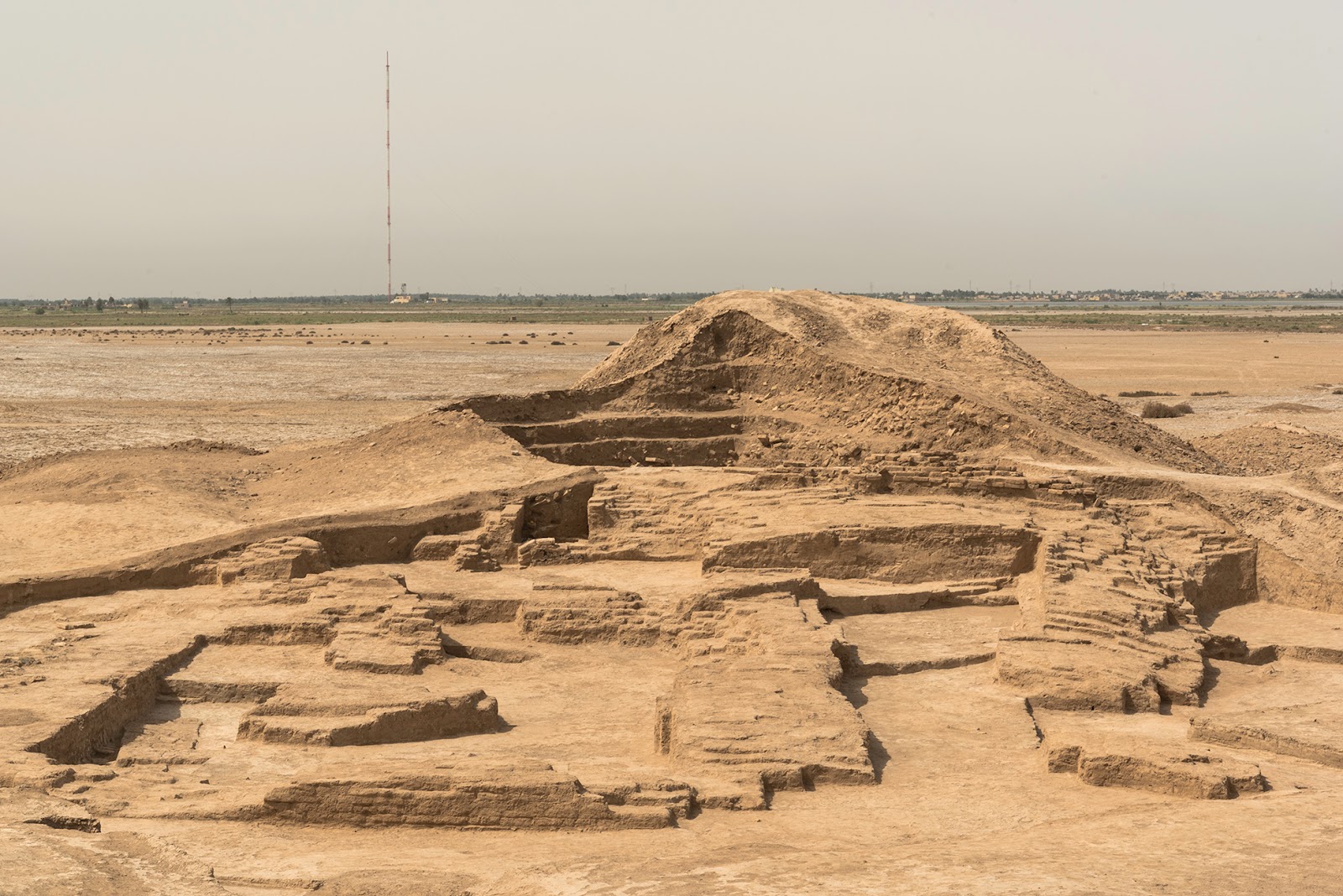 |  |
Sunday, July 31, 2022
Venus of WIllendorf
 | Deemed “pornographic” by Facebook, the Venus of Wlllendorf is a 30,000 year-old nude statue. Four attempts to appeal Facebook's decision failed. The early Stone Age statue was discovered in Austria in 1908. The Venus of Willendorf is one of the oldest and most famous surviving works of human art. |  |
Subscribe to:
Posts (Atom)