Tuesday, December 9, 2025

Rare ancient coins solid investments

Results for the Stack’s Bowers Galleries August 2020 auction illustrate numismatics stands firm even during times of economic uncertainty. Over 92% of the ancient coin and world coin and paper money lots changed hands.

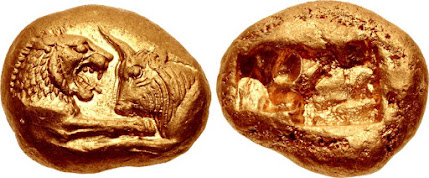
Highlights among ancient coins included a gold octodrachm of Arsinoe II Philadelphos, which garnered $38k, a gold stater of Kroisos that sold for $30k, and an exceptional silver half shekel from year 3 of the First Jewish War that made $22k.
SICILY. Syracuse. The Gameroi, ca. 500-490/86 B.C. AR Tetradrachm (17.21 gms). NGC Ch F, Strike: 5/5 Surface: 2/5. Marks. Obverse: Charioteer, holding reins in both hands, driving slow quadriga right; Reverse: Head of Arethousa left in incuse circle in center of quadripartite incuse square. A VERY RARE type, this piece emanates from the earliest coinage at Syracuse. Est $5k to $10k, hammer price $13,200

Sunday, December 7, 2025

Gold Bowl of Hasanlu

The Iron Age fortified hilltop site of Hasanlu Tepe in northwest Iran was sacked around 800 B.C. Hasanlu developed into a significant commercial and production center during the early Iron Age (1400–800 B.C.), owing to its location on important trade routes between Mesopotamia and Anatolia.
In 1958 archaeologists were exploring the complex at Teppe Hasanlu near the city of Naghadeh in the northwestern province of West Azarbaijan. They came across a layer of an Iron Age city that had been frozen in time - a ‘burn layer’ containing remains preserved in ash and rubble. The Gold Bowl of Hasanlu was discovered not far from a skeletal hand who was likely the last to touch it almost 3000 years ago.

Evidence suggests when the citadel of Hasanlu was under siege some soldiers penetrated into the citadel grabbing a handful of valuable treasures, including the gold bowl. The theory suggests that the whole building collapsed, crushing the looters and their possessions under layers of debris. And here they remained for thousands of years.

The Gold Bowl weighs more than two pounds and bears remarkable repoussé and chase decorations.

Different kinds of weapons, including daggers or swords, bow and arrow are depicted in various scenes in the lower and middle registers of the Hasanlu bowl.

Friday, December 5, 2025

Ancient artifacts and DNA testing

Ancient people in Scandinavia used birch pitch as chewing gum.
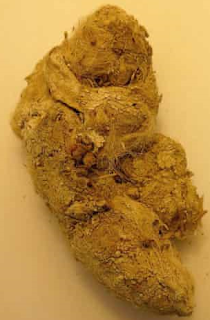
Scientists were able to sequence a complete human genome from a piece of birch pitch that was chewed up and spat out in southern Denmark some 5700 years ago. The chewer was female, with dark skin, dark hair, and blue eyes. Trapped within her gum was genetic material from one of her meals—duck and hazelnuts—along with DNA from the bacteria and viruses she harbored in her mouth. 17,000-year-old puma shit from the southern Andes contains the oldest parasite DNA yet recorded. It proves pumas were infested with roundworm long before humans and their animals arrived.
Centuries-old manuscripts are appreciated for their words and illustrations, but recent research has shown they can also be treasure troves of DNA.
Scribes often wrote on parchment made from the skin of animals. Religious pages containing oaths are rife with human microbial DNA, likely because they were often handled and kissed by clergymen.

DNA played a crucial role in identifying the bones of Richard III, which were unearthed beneath a city parking lot in Leicester, England in 2012.
Rodents of millennia past were nest builders.
They collected bits from their surroundings and sealed it with their urine, which acts as a binder that preserves the nests for tens of thousands of years. These nests, middens, offer a snapshot of the local environment at the time they were made.

Because the enamel that coats our teeth is 97% mineral, human teeth are more likely to survive through time. In 2010 genetic material from a wisdom tooth discovered in Siberia lead scientists identify the Denisovans, a little-known group that shared a common ancestor with Neanderthals and Homo sapiens.

Wednesday, December 3, 2025

Shipwreck Treasure at auction

Early Spanish colonial gold tumbaga bar weighing 1.816 kilograms with a marked fineness of 5.75 karat. The bar realized a price of $50,575 on a $35,000 and up estimate. The bar was one of thirteen gold ingots recovered from the “Tumbaga wreck” which sank around 1528. Surfaces of the bar bear the tax stamps in the name of Charles V, the Holy Roman Emperor who also ruled over Spain at the time.
A high-grade silver bar weighing 92 troy pounds, 3.84 troy ounces that was recovered from the wreck of the Atocha, sunk in 1622 off Key West, Florida sold for $57,715 on a $30,000+ estimate. The bar was graded Class Factor 1.0, the highest grade given to Atocha silver bars, despite spending 300 years on the ocean floor.
This group of 1617-dated gold cob 2 escudos brought $33,320.

Gucci restoration of Rome's Tarpeian Rock

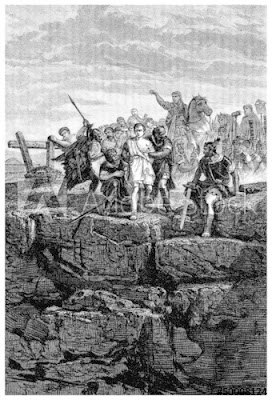
The Tarpeian Rock, or Rupe Tarpea, suffered a mini landslide in 2019 when chunks of the ancient cliff fell off. Gucci funded the restoration of Rome's Tarpeian Rock with a €1.6m donation in a two-year project, with completion around mid-2022.
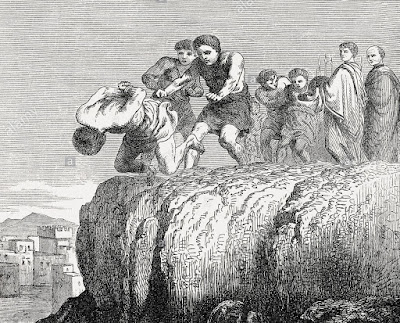
Long neglected, the legendary site lies overgrown and overlooked on the southern side of the Capitoline Hill. The rock is named for Tarpeia, a Vestal virgin and daughter of a Roman commander. When Rome was under siege by the Sabines, the story goes, she offered to betray the city. Tarpeia was flung to her death from what would henceforth become known as the Tarpeian Rock.

By the early Republic, the rock was the site of capital punishment used against those convicted of perduellio, Rome’s earliest legal term for treason. Perduellio included acts of betrayal, secret cooperation with enemies, desertion, and political betrayal that weakened the safety and stability of the city.
Later Romans would use the site to put to death their most notorious criminals, who would be thrown headfirst off the drop. The gruesome punishment was reserved for traitors, murderers and rebels to serve as a warning to others. 'The Tarpeian Rock is close to the Capitol,' an old Roman saying went – in other words, even at the height of power, you're never far from a fall.
There was a symbolic power of the location. The cliff lay just below the Temple of Jupiter Optimus Maximus, which had been completed around 509 BC. Here Romans offered prayers to their highest god and asked for favour for the wellbeing of the state. Italian authorities regularly turn to brands for the cash to preserve Italy's crumbling heritage. Bulgari also restored the Largo di Torre Argentina, the site where Julius Caesar is said to have been stabbed to death.

Monday, December 1, 2025

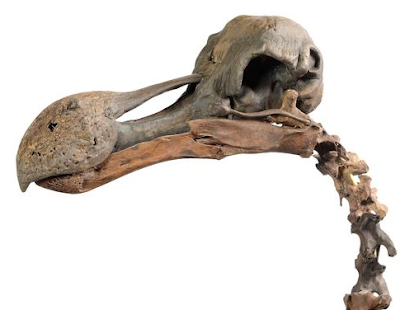
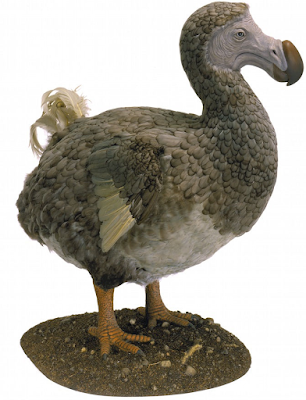
First dodo skeleton in 100 years sold at auction - $431k

The first nearly complete dodo skeleton in more than 100 years was sold at auction in 2018 - more than 350 years after the bird's last confirmed sighting by humans.
Known for their slightly comical, ungainly appearance, the flightless birds - most closely related to pigeons - were last seen on the island of Maritius, their sole habitat, in 1662. It's believed the presence of humans brought about their extinction in just 70 years.
Dodos stood around 1m tall and weighed between 10 and 20kg. This dodo skeleton comes from a private collector, who started collecting bones in the 1970s and bought the majority then and in the 1980s.
Like most collectors, he spent years adding to his collection and it was only in the early 2000s that he realized he had enough bones (only lacking part of the skull and one set of claws - which were reconstructed) to construct a skeleton. He then meticulously reassembled them to create as complete a specimen as possible. Any newly discovered bones from the Mare aux Songes swamp - where the vast majority of dodo bones were found in the 19th century – will not be for sale. The Mauritian Government has banned all exports of dodo bones.
Sunday, November 30, 2025

A World of Emotions: Ancient Greece, 700 BC – 200 AD


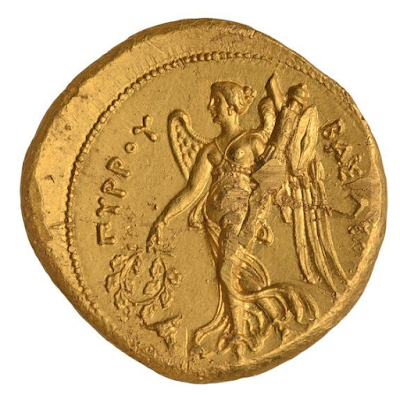
Stater Of Pyrrhos I Nike Holding A Trophy 278 BC
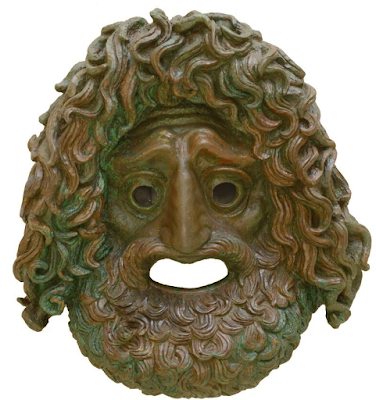
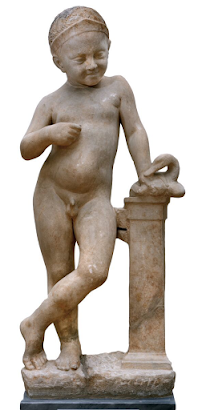
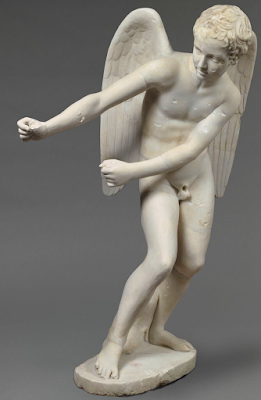
Bringing to life the people of ancient Greece, the Onassis Cultural Center New York presented the exhibition "A World of Emotions: Ancient Greece, 700 BC – 200 AD" in 2019.
Cup with Achilles Slaying Penthesileia, ca. 470–460 BC

Bronze vessel was made in Pharsalos about 370 BC.
The exhibition brought together more than 130 ancient masterpieces.

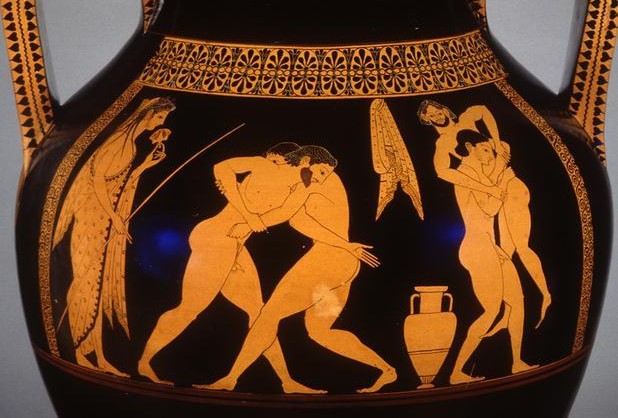
Amphora with Scene of Achilles and Ajax Playing a Board Game 540 BC

Saturday, November 29, 2025

Artifacts and Mummies Discovered in Ancient Egyptian Tomb

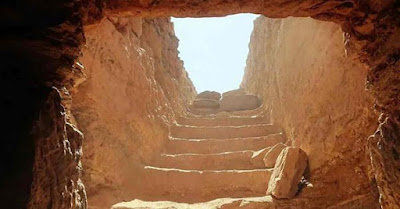
In 2019 Egypt confirmed an ancient tomb had been found carved in stone from the Greco-Roman period in Aswan, 539 miles south of Cairo.
The Greco-Roman Period (332 B.C.-395 A.D.) saw the rise of Alexander the Great who conquered the Persians who ruled over Egypt at the time, and founded Alexandria, the second largest city in Egypt.

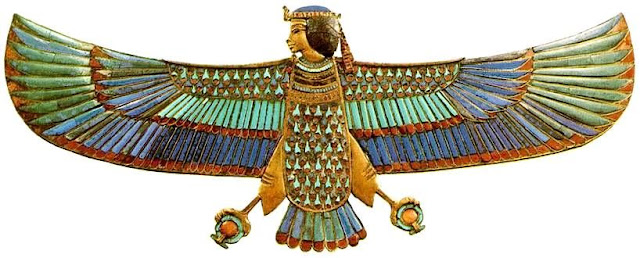
Small Ba bird statues were recovered which, according to ancient Egyptian mythology, was believed to fly out of the person’s tomb to join their vital essence in the afterlife.
The tomb contained about 30 mummies, including young children. There were also gold-painted funeral masks, statuettes, amphora-shaped jugs, ritual offering vases, vessels still containing food, coffin fragments, a lamp, and white cartonnages. One of the coffins presented a complete text, detailing the name of the tomb’s owner, Tjt.

Friday, November 28, 2025

$20 gold coin from 'Ship of Gold' makes $282k

The spectacular 1857-S Double Eagle, recovered in 2014 from the SS Central America set a record price for any 1857 San Francisco Mint $20 gold coin in a public auction conducted by Legend Rare Coin Auctions on May 16, 2019. The sunken treasure Double Eagle, graded PCGS MS67, sold for $282,000.

Gallic treasure - Treasure of Tavers


It was feared that the treasure would be sold at a price that could not be matched by museums and it would leave the country.
The 'Treasure of Tavers' hoard was declared a national treasure of France and purchased for €50.000 in 2019. It comprises 58 copper alloy and seven iron and lead pieces, including five full torque necklaces, eighteen bracelets (including six whole), four rings of pegs, three weapons and fragments of crockery. The rare metalwork would have sold for much, much more at auction.
65 pieces of metal, buried 2600 years ago by Gauls, is exceptionally rare. It dates to the protohistoric period, several centuries before the roman conquest.

Monday, November 24, 2025

Captain Black Sam Bellamy - The Whydah Galley

In February 1717 Captain Black Sam Bellamy captured the Whydah and made it his flagship. It's said that when the Whydah was wrecked off Cape Cod in a storm on 26 April 1717, Bellamy, 28, had been heading for Boston with a vast fortune on board. Bellamy, the “Robin Hood of the sea” was the highest-earning pirate of all time. Bellamy’s fleet captured over fifty vessels. The site on the shores of Cape Cod may contain the bones of as many as 102 men whose corpses remained after the Whydah sank. The Whydah was found buried beneath 18 feet of sand in 25 feet of water 1,500 feet from the shore in 1984.
The shipwreck has yielded over 200,000 artifacts, including treasure and the ship's bell. Coins recovered from the site represent a cross-section of global commerce in the early 18th century, spanning multiple mints, dates, and origins. Investigators discovered what they think are the remains of Bellamy himself.
A leg bone was found among sand and debris, next to a pistol said by the researchers to have unique features and symbols that prove it was one of Bellamy’s flintlocks.