 | A type of Roman execution called damnatio ad bestias was reserved for the most serious offences to society: deserters, poisoners, sorcerers, kidnappers of children, leaders of rebellions and – last but not least – counterfeiters. Roman law viewed the creation of fake currency not just as theft, but as an act of treason and an attack on the emperor’s authority. | 
Convicted counterfeiters were designated as noxii (condemned criminals). |
They were brought into the arena unarmed and defenseless to be mauled by imported predators like lions, bears, or leopards. A sentence of damnatio ad bestias stripped a Roman citizen of all rights. They were legally barred from writing a will, and the state confiscated their remaining property.
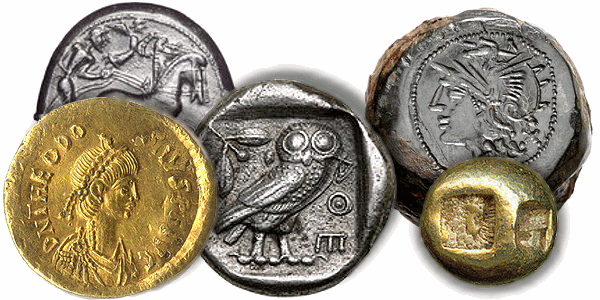
 | Even the earliest Lydian coins were counterfeited. Silver coinage was an idea that the Romans adopted from the Greeks, beginning about 290 BCE. Counterfeiting inevitably came along with the innovation. A handful of ancient counterfeiters’ dies used to strike denarii have survived to command high prices on the antiquities market and even some fakes from the era are collectible. |


No comments:
Post a Comment